Living in a tiny space changes how people plan their home. Designers warn that wrong choices can make a place feel chaotic. Many fail to define zones, so the room looks cluttered and loses a sense of order.
They treat the entire area as one big room and remove natural flow. This common error harms daily life and makes moving around harder. Clear zones help each activity feel intentional.
Good design balances needs with limits. Professionals note that considering path, scale, and function turns cramped layouts into welcoming spaces. Thoughtful choices save space and improve how people live.
By avoiding these key mistakes, anyone can craft a cohesive, functional home. Small changes in plan and selection maximize every square inch and support a calmer, more useful living environment.
Understanding Common Studio Apartment Furniture Mistakes
Many people pick pieces that ignore how a small space needs clear intent and proper scale. That choice can make a room feel like a miniature display rather than a warm home.
One key problem is choosing items that are too tiny. When pieces lack presence, the entire room can seem cluttered and oddly empty at once. This also reduces usable storage and creates daily friction.
CORT furniture rental offers flexible options for those who do not want to commit long term. Renting lets them test scale and design before buying. It is a practical solution that saves time and expense.
“Try temporary options first to see how a bed and storage plan works in your living area.”
To avoid the common error, make sure to evaluate function and storage needs up front. Select a proper bed and layered storage so the space feels like a well-designed home. Small, thoughtful decor choices enhance the overall feel rather than detract from it.
- Prioritize scale over tiny looks.
- Use rental options to test layouts.
- Plan storage that fits daily life.
The Importance of Defining Functional Zones
Defining where you live, sleep, and eat makes a compact floor plan feel intentional. Clear zones guide traffic, protect natural light, and keep daily routines simple.
Using Rugs to Separate Areas
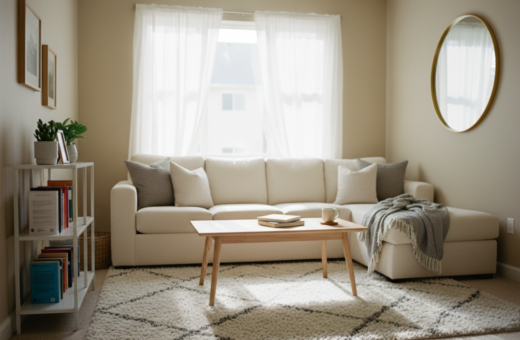
Rugs anchor activity areas and signal a shift from one place to another. Place a rug under the dining table to mark the eating zone.
Lauren Li, founder of Sisällä Interior Design, suggests using a rug to distinguish the living area from the bedroom. This creates a clear sense of place in a small space.
Implementing Room Dividers
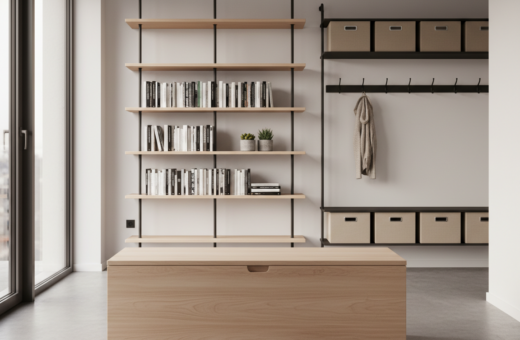
Bookcases and low dividers separate rooms without blocking natural light. A backless shelf doubles as storage and keeps the floor open.
“Define zones to prevent one common mistake: letting everything blend into a single chaotic area.”
- Use a side table or wall-mounted shelf to make an entry spot for everyday items.
- Hang art on walls to give each bedroom and living area distinct personality.
Selecting the Right Scale for Your Furniture
A well-measured plan prevents clumsy layouts and keeps circulation open in a compact home.
The Role of Measuring Tape
Lauren Li stresses that the simple act of measuring the room, door clearances, and corners is the most reliable way to avoid poor scale. She advises marking dimensions on the floor before shopping so pieces fit and paths stay clear.
Taking time to measure helps decide whether a larger sofa or a modest loveseat will make the space feel balanced rather than crowded.
“Use a tape measure and a quick floor mock-up. It saves time and prevents returns.”
- Measure width and depth to confirm a coffee table or table aligns with seating.
- Choose a generous piece when it creates visual calm and usable surface area.
- Pick pieces that maintain clear paths and support daily life in a studio or small apartment.
Proper scale is a core tenet of good design. By measuring first, buyers select items that make the room feel intentional and comfortable.
Maximizing Vertical Storage Potential
Look up: using vertical surfaces turns wasted height into usable storage and visual lift. Treating height as part of the plan prevents the common mistake of clogging the floor with too many low pieces.
“Install wall-mounted shelves or hooks in the kitchen or entry to keep everyday items off the floor,” says Lauren Li.
In Victoria, renters can usually mount shelves and hooks so long as the building is not on the Victorian Heritage Register. Use that permission to add practical storage where it helps most.
Draw the eye upward with tall bookcases to create the illusion of higher ceilings. A lofted bed reclaims the floor so a desk or more storage fits underneath. Add art and decorative bins on walls to give the room personality while keeping things tidy.
- Maximize wall height with shelves to the ceiling.
- Choose hooks in the entry or the kitchen for daily items.
- Combine loft beds and tall shelving so furniture and storage work together.
Creating Cohesion with Color and Texture
Color and texture are the quiet tools that turn a compact plan into a cohesive living area.
Lauren Li notes that painting your apartment walls can be life-changing. A single, consistent paint tone helps the space feel larger and ties separate zones together.
Introduce texture through boucle upholstery or warm timber pieces to add interest without loud patterns. Texture gives depth and makes each element feel intentional.
A single large piece of art can act as a focal point and pull together color and scale across the room. Choose a palette and repeat its tones across rugs, textiles, and one or two key pieces to create flow.
“Cohesion minimizes visual clutter and makes a small home look professional and calm.”
- Paint walls in a unifying color to add perceived depth.
- Layer textures to give the space personality and tactility.
- Use one bold art piece to anchor the overall design.
Improving Ambience Through Layered Lighting
Layered lighting changes how every corner reads, turning cold surfaces into inviting places. Good mixes of task, ambient, and accent light make a small space feel intentional and calm.
Avoiding harsh overhead lighting: Lauren Li warns that relying on a single ceiling fixture creates sharp shadows and flattens the room. Use lower-level sources so surfaces and art gain depth.
Incorporating wall sconces
Wall lights like the Mantis by DCW Editions or the Lampe de Marseille by Le Corbusier are plug-in options that add architectural character without an electrician. They lift sightlines and free floor area for other items.
A floor lamp beside the sofa plus a portable table lamp on the coffee table provide flexible task light. Hattie Molloy’s living room uses the Akari 36N lamp to cast warm, diffuse light and make the whole room feel owned.
“Define layers of light to control mood and highlight art and key pieces.”
- Tip: Place a wall light over a dining nook or side table for contrast and function.
- Mix ambient, task, and accent lights to regulate mood across rooms.
- Choose plug-in sconces to add design value without a major install.
Utilizing Multi-Purpose Furniture Solutions
When each object pulls double duty, every corner becomes a deliberate, useful place. Multi-purpose pieces let people host, store, and relax without crowding the room.
Benefits of modular designs include flexibility and longevity. A modular sofa can split into lounge seats or join into a larger sofa for guests. An extendable dining table offers everyday compactness and more dining space when needed.
Lauren Li recommends that every piece should serve more than one purpose to keep the place efficient and calm.
- Choose a coffee table with built-in storage to hide clutter and create surface area.
- Use a stool as a side table or extra seating to multiply the utility of small items.
- Consider rental options like CORT to test a piece-by-piece setup before buying.
“Modular options let your layout evolve with life, saving time and expense.”
Enhancing Privacy and Light with Window Treatments
Window dressings can transform a small space by balancing privacy and bright, usable light.
Sheer curtains soften hard surfaces and let natural light filter in. They keep the room airy while reducing glare and adding a layer of texture.
For better temperature control, layer sheers with a blind or block-out lining. This gives privacy at night and helps with insulation during cold months.
Roman or honeycomb blinds add warmth and tactile interest. They make the place feel more finished and comfortable without overwhelming walls or storage zones.
“Managing light is key when balancing privacy with daylight,” says Lauren Li.
- Layer sheers with blinds for light control and privacy.
- Install blinds close to the wall to improve insulation and energy storage.
- Use coordinated rugs or curtains to change the room’s mood quickly.
For more practical suggestions and measured ideas, see window treatment ideas for small spaces. Thoughtful window choices create a private sanctuary that still feels bright and airy.
Conclusion
Smart selection and placement of pieces let a compact living area breathe and function well.
Focus on scale, vertical storage, and layered lighting to raise usability and calm visual clutter. Define zones with rugs or a backless shelf so circulation and light remain clear. Use wall storage and modular layouts to keep items off the floor.
Take the time to measure, choose quality furniture, and pick multiuse items as a long-term solution. Doing so helps avoid common mistakes and lets a studio apartment reflect personal style while staying comfortable and practical.