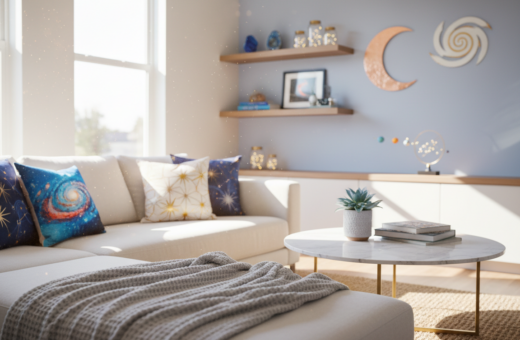
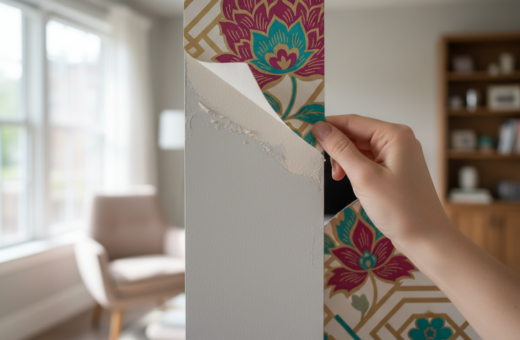
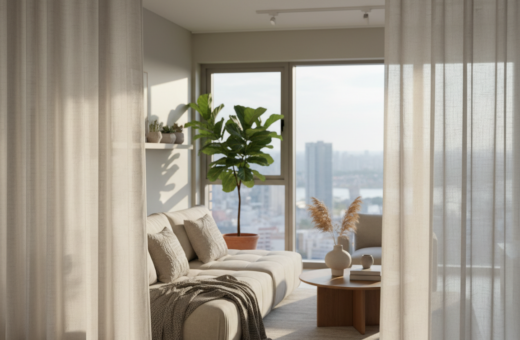
Hosts often stage a space to outshine a guest’s home. Sarah and Steve note that vacationers expect a touch of luxury when they book a stay. This expectation shapes how a property performs online and in guest reviews.
Too many owners make simple errors that lower occupancy and harm reputation. A common mistake is choosing style for photos instead of comfort for real stays. Poor lighting and dated furniture make a place feel less welcoming when guests arrive.
Professional photography and intentional choices matter. Stopping the scroll is only half the job; the place must deliver on comfort. Thoughtful options for seating, cooking, and sleep create a relaxing atmosphere that families and groups appreciate.
Avoiding common errors increases nightly rates and boosts reviews. Small updates in lighting, furniture, and practical decorating lift perceived value and help a property stand out in a crowded market.
The Allure of Online Rental Trends
A glossy online feed often hides gaps between style and actual guest needs. Sarah and Steve note that many vacationers search for a place that feels more luxurious than their everyday homes.
Design plays a huge role in first impressions, but interior trends can push owners to favor looks over function. Professional designers say a cohesive space attracts discerning guests who expect a premium stay.
Good listings blend beauty with usability. When travelers evaluate a property, they judge comfort, layout, and the overall vibe against their expectations.
- Keep timeless pieces that work for many guests.
- Prioritize durable surfaces and flexible seating.
- Use accents to nod to trends without sacrificing comfort.
“Hosts who balance modern style with clear guest needs win higher ratings and repeat bookings.”
Common Rental Decor Mistakes to Avoid
What looks chic on screen can leave guests uncomfortable the moment they step inside. Owners must test how a space performs, not just how it photographs.
Hosts often pick bold art, fragile accents, or low-seating lounges that read well online but fail for real stays. Personal taste can clash with what visitors need from a home.
Identifying Aesthetic Traps
Look for items that hinder use:
- Fragile accents that limit casual use.
- Low or uncomfortable furniture that reduces seating options.
- Overly themed rooms that narrow guest appeal.
Balancing Style and Utility
Practical design wins bookings. Invest in quality furniture, durable fabrics, and layered lighting to make the room feel welcoming and easy to use.
Simple moves—better lighting, clear traffic flow, and multifunctional pieces—turn a pretty photo into a comfortable stay. Sarah and Steve note these changes cut complaints and raise occupancy for many properties.
“Small, thoughtful upgrades often have the biggest return in guest satisfaction.”
Why Hand-Me-Down Furniture Fails
Hand-me-down furniture can undercut a guest’s comfort the moment they step into a room.
Sarah and Steve warn that a creaky dining table or a musty sofa signals neglect. Guests spend a lot of time in a property, so quality furnishings matter as a detail.
A worn sofa or mismatched pieces makes the space feel dated. Heirloom quilts or old chairs may photograph nicely, but they often fail in real stays.
Investing in cohesive pieces creates a sense of luxury and comfort. A fresh sofa and a solid dining set help guests relax and share meals together.
- Replace sagging sofas with durable, comfortable models.
- Choose a dining set that fits the room and seats several guests.
- Pick furnishings that read as intentional, not leftover.
“Small investments in furniture explain themselves in better reviews and longer bookings.”
The Importance of Functional Layouts
Good flow makes it easy for guests to move, eat, and relax without bumping into furniture.
Sarah and Steve stress that a well-planned layout changes how a property performs in real life. A small house can feel roomy when pieces fit the room instead of overwhelming it.
Optimizing Flow for Guests
Match sleeping and dining capacity. Make sure the number of beds in the bedroom aligns with dining chairs in the dining area. This simple sync avoids awkward evenings and frustrated guests.
Avoid an oversized sofa in a small space. That common mistake blocks clear pathways on each side and limits seating around the TV area.
- Plan clear traffic lanes beside furniture.
- Make space for grouped seating so guests can gather.
- Use layered lighting to brighten each area and improve access.
“Intentionally planned spaces reduce complaints and boost positive reviews.”
For more on typical errors and fixes, see this practical guide to avoid common pitfalls and improve guest experience.
Investing in Quality Mattress and Bedding
Nothing signals comfort faster than a well-made bed and a supportive mattress. Sarah and Steve advise that owners should splurge here to lift a rental’s perceived value.
Cheap bedding is a noticeable mistake that can cost reviews. Guests spend hours sleeping or napping, so poor linens or a sagging mattress quickly stand out.
Make sure the bed feels like the centerpiece of the bedroom. Soft sheets, a supportive mattress, and a simple topper create a hotel-like feel without excess cost.
Good lighting and coordinated furnishings help the space read as intentional. Include a comfortable sofa in shared rooms so guests have another place to rest.
“Investing in quality bedding and a solid mattress is one of the clearest ways to differentiate a property and protect its reputation over time.”
- Choose a mid-firm mattress with a durable cover.
- Buy high-thread-count sheets that wash well.
- Replace towels and linens on a schedule to avoid the common mistake of skimping.
Creating a Fully Equipped Kitchen
A kitchen that works makes an entire stay feel effortless.
Sarah and Steve note that guests expect to cook dinners at a property and often plan meals before arrival.
Essential Kitchen Tools
Provide basics that cover most needs. Include a chef’s knife, paring knife, utensils, cutting boards, a reliable coffee pot, and matching glassware.
Other helpful items: mixing bowls, a can opener, measuring cups, and a set of pans. These small additions prevent a common mistake of leaving the space unfurnished.
Counter Space Management
Clear counter space is as important as utensils. Guests value a roomy prep area for grocery unpacking and meal prep.
- Keep appliances minimal and store extras in cabinets.
- Provide a simple dish rack and packing trays for leftovers.
- Arrange workflow so the stove, sink, and prep area flow into the dining room.
Make sure the kitchen connects well with the dining area and bathroom paths so movement stays smooth across common spaces.
Moving Beyond Over-Themed Decor
Heavy-handed themes tend to distract from the comfort and quality guests actually want. Sarah and Steve recommend neutral paint choices like Sherwin Williams Sea Salt or Naval to make a space feel calm and elevated.
Over-themed rooms — think too many shells or a cabin packed with bear motifs — often feel cluttered instead of luxurious. Simple walls with curated art let quality pieces and textures shine.
- Use natural materials — jute, seagrass, linen — to suggest a beachy vibe without clichés.
- Choose a few high-quality furniture pieces rather than themed trinkets.
- Let neutral paint and art on the wall create cohesion across the home.
“Nature-inspired textures and thoughtful paint choices make a property feel like a high-end home — not a themed attraction.”
Design that favors materials, color, and restraint avoids common mistake traps and keeps the focus on comfort for guests.
The Impact of Professional Photography
Professional shots reveal a home’s best angles and the features guests care about most. A well-lit image makes a small space look airy and shows the real value of a property.
Sarah and Steve stress that hiring a pro is a strategic design choice, not an extra cost. A photographer understands composition, lighting, and lens choices that make interiors read larger and clearer.
High-quality images beat quick phone snaps for converting views into bookings. Good photos set expectations and reduce booking friction for potential visitors.
- Highlight unique features with focused shots.
- Use wide-angle and detail photos to balance scale and texture.
- Show functional areas so guests know how the interior works.
“Investing in professional photography elevates perceived value and often raises nightly rates.”
Avoiding Impractical Flooring Choices
Flooring choices shape how a room feels and how long it lasts under use.
Many landlords opt for carpet because it looks cheap to install. That decision often becomes a long-term mistake as carpet wears and traps stains. Easy-to-clean materials keep the property looking fresh for more time.
Temporary Flooring Solutions
Practical options protect surfaces without permanent work. Rubber utility squares, vinyl rolls, and peel-and-stick planks offer fast, affordable coverage. They work well in high-traffic areas and let owners test a new layout.
- Use rugs to hide worn spots and add warmth.
- Choose tile, laminate, or luxury vinyl for long life and easy cleaning.
- Select materials that stand up to spills and frequent guests.
Good lighting highlights quality floors and makes the space feel cleaner. Thoughtful design and durable flooring preserve value and reduce upkeep for landlords and managers.
Maximizing Storage Solutions
Smart storage turns a crowded room into an organized, usable space. Thoughtful layouts help hosts make space that feels larger and more welcoming.
Tenants value a functional home, so adding cabinets and closet organizers raises the appeal of any property. Expanding closet depth or adding adjustable shelving gives immediate wins during tours.
Focus on high-impact areas:
- Kitchen: deep drawers, pull-out pantry shelves, and under-sink organizers.
- Bathroom: recessed medicine cabinets, wall-mounted shelves, and basket trays.
- Bedroom & living room: built-in wardrobes, bench storage, and floating shelves.
Maximized storage keeps surfaces tidy and reduces turnover work. It also becomes a top feature that prospective tenants notice first.
“Storage upgrades often deliver strong returns by improving daily function and perceived value.”
Selecting Surfaces for Easy Maintenance
Choosing the wrong surfaces turns routine cleaning into a full-day chore. For a property that hosts guests, the right finishes save time and keep the space welcoming.
Prioritize surfaces in the kitchen and bathroom that resist stains and wipe clean. Matte quartz or solid-surface counters beat grout-heavy tile for daily wear. Low-porosity materials cut staining and odor issues.
Avoid textured walls or high-gloss floors that show smudges and trap dust. Durable pieces—cabinet fronts, drawer pulls, and sink surrounds—stand up to frequent use and reduce repair cycles.
- Choose easy-care counters like quartz or sealed granite.
- Pick large-format tiles or continuous flooring to cut grout lines.
- Use washable paint and smooth finishes in high-traffic zones.
Clean, durable surfaces add value and reduce maintenance costs over time. They protect the owner’s investment and help keep each guest’s stay consistently positive.
“Simple, high-quality materials make upkeep predictable and preserve a property’s appeal.”
The Dangers of Bold Color Palettes
A loud wall can shout over the subtle comforts guests actually seek. Using a vivid color or an aggressive palette in one room often becomes a costly mistake.
Neutral walls act as a blank canvas. They let each visitor imagine the home as their own and keep the space flexible for many tastes.
Avoid painting the kitchen or living area bright hues. A dramatic paint choice can limit who books and make the property feel dated sooner.
Add interest through art and accessories rather than heavy paint. Swappable pillows, framed prints, and small accents keep the design fresh without permanent risk.
“A well-balanced approach — neutral walls with curated art — appeals to more guests and slows the pace of trend-driven updates.”
Simple color schemes reduce upkeep and protect long-term value. In short, restraint in color choices prevents unnecessary refresh cycles and keeps the room welcoming for everyone.
Addressing Soundproofing and Privacy
Noise travels farther than owners expect; a thin wall can turn a good stay into a restless night.
Insulating walls and upgrading window seals creates a quiet, comforting space that guests notice first. Good sound control is a practical design move that also boosts perceived value for any property.
When planning, consider how sound moves between the kitchen, bedroom, and living room. Soft surfaces, door sweeps, and targeted insulation reduce carryover noise from one side to the next.
Small aesthetic choices help, too. Hanging dense art panels or a gallery wall with layered canvases dampens sound while improving lighting balance and visual appeal.
- Install insulation in shared walls to limit neighbor noise.
- Fit weatherstrips on windows and doors for a quieter interior.
- Use rugs, bookcases, and wall art to absorb ambient sound.
“A private, quiet unit is a standout feature that draws better tenants and higher returns.”
Essential Bathroom Ventilation Tips
Poor bathroom airflow quietly accelerates wear and invites mold where guests least expect it. A well-ventilated space protects finishes and keeps the room usable after showers.
Since 2022, California requires exhaust fans that vent to the outside of the house. This rule highlights how crucial correct venting is to prevent peeling paint and long-term damage.
Adding a ventilation fan or a window is the simplest tip for avoiding this common mistake. Fans should run long enough after use to remove lingering moisture.
Design the venting system carefully when the bathroom sits next to the kitchen or other high-moisture area. Shared walls and poor airflow increase the chance of mold and scent transfer.
- Install a fan rated for the bathroom’s size and area.
- Prefer outside venting over recirculating units when possible.
- Consider a timer or humidity sensor for automatic control.
“Prioritizing ventilation protects the house and improves guest experience with minimal upfront cost.”
These tips are an easy way to preserve surfaces, reduce maintenance, and keep the bathroom feeling fresh for every visitor.
Swapping Hardware for Personal Style
A few strategic hardware swaps can make a home read as intentional and cared for. These small updates refresh a room and lift the overall design without long-term changes.
Renter-Friendly Hardware Swaps
Doorknobs, cabinet pulls, and sofa legs are simple pieces that change the look of a space quickly.
- Swap kitchen and bathroom pulls for a matching finish—gold or matte black updates the color story.
- Replace light fixtures or lamps to improve lighting and reinforce a chosen style.
- Change sofa legs or add new wall art to make the bedroom or living room feel bespoke.
Make sure not to drill new holes and to keep original hardware safe. Storing originals avoids the common mistake of losing parts and the second common mistake of leaving permanent changes behind.
“Small, reversible upgrades let tenants express taste while protecting the landlord’s property.”
These reversible swaps let guests feel at home and let landlords keep control of the interior and furnishings.
Conclusion
Small, deliberate choices often make the biggest difference in guest satisfaction. Owners who focus on practical design, quality kitchen tools, and neutral color on the walls create a more welcoming house. These updates lift perceived value and cut needless upkeep.
Professional photography and thoughtful layouts help this place stand out online and perform in real life. Simple decorating moves—better art, matched finishes, and a calm wall palette—improve comfort in shared rooms like the dining area and kitchen.
Final tips: prioritize durable furnishings, keep the kitchen well-equipped, and tend to basics. These things turn good listings into memorable stays and protect long-term profitability.