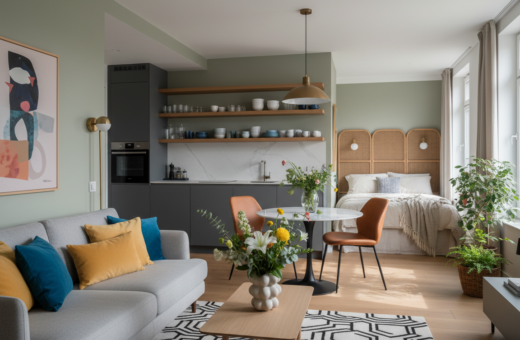
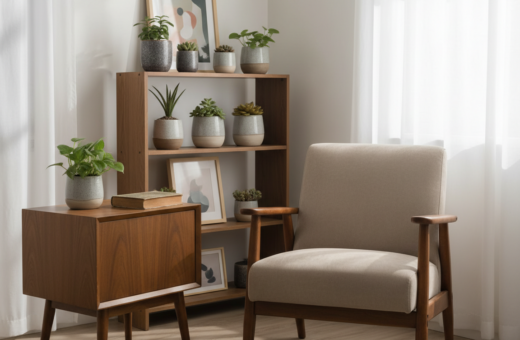
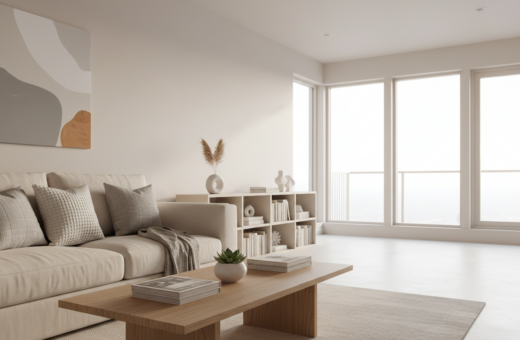
They found that small changes can shift how a living place feels and functions. In her book, Sally Denning links our physical surroundings to mood and emotional well-being, and that idea shapes this short guide.
Many families report that rooms became offices, classrooms, and workout areas all at once. This mix often makes spaces feel cluttered and noisy, which affects daily routines and rest.
Creating a calm home is a personal process. What works in one house may not work in another. The goal here is practical: simple changes that turn a chaotic space into a place that supports rest and living well.
Readers will learn quick adjustments that respect individual needs and reflect how people use their homes today. These steps aim to make houses easier to live in and help residents recharge after long days.
The Psychological Impact of Your Living Environment
Physical layout and decor shape emotional responses more than most realize. Sally Denning notes in her book Calm that surroundings have a direct link to emotional well-being.
“Our physical surroundings directly correlate with emotional well-being.”
When a house is designed with intention, people tend to feel like they are in a sanctuary rather than a chaotic place. Thoughtful design and clear purpose for each space reduce mental clutter.
A well-curated interior scheme helps homes feel grounded. Choosing decor that matches personal taste crafts an atmosphere that supports rest and routine.
- Intentional layout promotes a stable home feel.
- Personal decor choices make a space feel like a retreat.
- Understanding the psychological impact of the environment is the first step to improving how you feel in your house.
Selecting a Calm Home Styling Ideas Palette
Choosing the right palette sets the tone for every room and how people feel there. Start by thinking about the way light changes a color over the day and how that affects mood.
Understanding Color Psychology
Use color psychology to find your color season and build a harmonious group of hues. This method helps a space feel balanced and intentional.
Testing Paint Samples
Always test paint patches at morning, midday, and evening. Light shifts can make a neutral turn cool or warm.
- Pro tip: Apply the 60/30/10 rule in the living room to balance main, secondary, and accent colors.
- Little Greene’s Slaked Lime adds warmth without becoming yellowed.
- Farrow & Ball’s Skimming Stone works well on woodwork alongside neutral walls.
- Combine neutral paint with natural materials—stone and wood—to ground the interior design and create calming textures.
For more interior guidance and palette examples see this interiors resource.
Managing Visual Noise and Clutter
Visual clutter often sneaks into daily routines, turning useful rooms into zones of distraction.
The Power of Concealed Storage
Helen, who manages properties as Slow Norfolk, stresses that resisting the urge to display everything preserves a sense of calm. Concealed storage in the kitchen and bathroom hides branded packaging and reduces visual noise.
Simple Habits that Help
Start small. Use the KonMari method to sort items so each piece has a clear place. Set a fifteen-minute timer for a daily declutter round to keep clutter from accumulating.
- Kitchen: tuck away appliances and boxes to streamline surfaces.
- Bathroom: use closed cabinets for toiletries and packaging.
- Limit decorative items so the interior design and decor feel measured, not busy.
Finally, placing scented candles throughout home spaces can cue the body that it is time for relaxation after a long day. Small routines and smart storage make a house feel ordered and restful across every room and space.
Harnessing Natural Light and Clean Windows
Washing windows can dramatically shift the quality of light in any space. A clear pane boosts the amount of natural light that fills a room and makes surfaces read truer through the day.
Give the glass a thorough wash; it is one of the simplest ways to brighten a house. High drapes frame windows and draw the eye upward, making a room feel larger and more open.
When possible, keep shades pulled open while daylight lasts. Letting sun into the home supports mood and helps interiors feel vibrant and restorative.
Try a small ritual: sit in a sunny spot for fifteen minutes each morning. That short habit reconnects people with the outdoors and sets a positive tone for the day.
- Clean windows: increases light and clarity.
- High drapes: create height and welcome light.
- Open shades: keep the room bright through daylight hours.
Incorporating Textures and Soft Furnishings
Layered textiles and tactile surfaces can change how a room feels the moment you enter. Soft furnishings add visual depth and make a space feel approachable.
Sheer curtains filter light gently and protect privacy without blocking daylight. They give windows a soft edge and help a room read as lighter and more open.
Embracing Wabi-Sabi
Wabi-sabi invites acceptance of imperfection. Choosing worn wood, hand-loomed linen, or stone accents creates a layered interior that feels authentic and lived-in.
- Sally Denning notes natural elements like stone, wood, hessian, and linen add an organic, multi-layered feel that promotes relaxation.
- Textured cushions and layered throws can transform a corner into a cozy, inviting place.
- Soft furnishings absorb sound, making rooms quieter and more comfortable for rest.
Practical touch: Add a woven throw, a pair of tactile cushions, and a small rug to anchor furniture. These simple changes bring warmth and comfort to any interior without a full redesign.
The Role of Biophilic Design in Your Home
Biophilic touches reconnect a room to the natural rhythms outside the window. This kind of design seeks a simple bond between people and nature. It helps a home feel more timeless and meaningful.
Authors Lynda Gardener and Ali Heath stress that nature keeps residents aware of seasons and the passing of time. Adding plants, shells, or seasonal branches encourages that attention without fuss.
- Houseplants: act as small air purifiers and improve the feeling of a room.
- Natural materials: like wood and dried grasses ground a space and create a gentle rhythm.
- Simple decor swaps: rotate branches, woven baskets, or vases to refresh interiors with the seasons.
Used sparingly, these elements support emotional well-being and make homes easier to live in. Biophilic choices are low-cost, high-impact moves that keep a house connected to the outdoors and enhance daily routines.
Creating a Restful Ambience with Lighting
Light can choreograph how a room moves from day to night and shape how people unwind. A short lighting plan helps each space feel intentional and supports nightly routines.
Layering Mood Lighting
Layer fixtures to give depth and control. Use an overhead source, a task lamp by a chair, and a low-level floor lamp for soft glow.
Joanna Thornhill suggests switching to warm lamps in the living room before bed to cue the brain that it is time to slow down.
The Importance of Warm Bulbs
Bulb makers like Tala note human eyes respond to warming light as the day fades. Warm bulbs reduce blue spikes and help the body prepare for sleep.
Dim-to-warm bulbs are a practical choice where you cannot layer fixtures. When dimmed, they shift to a warmer temperature and lower intensity.
Creating a Screen-Free Bedroom
Remove screens from the bedroom to protect circadian rhythm. Blue light from devices keeps people alert and disrupts sleep cycles.
Complement a screen-free approach with scented candles or an oil diffuser in the bathroom or bedroom to create a relaxing space. These small touches can make bedrooms and other rooms feel like restful places.
“A lighting journey across the evening helps transform living spaces into areas for rest.”
- Use lamps on separate circuits for staggered control.
- Place a low lamp near the bed for reading without harsh overhead light.
- Favor bulbs labeled warm white or 2200–2700K for bedrooms and living areas.
Conclusion: Sustaining Your Peaceful Retreat
Intentional tweaks to color, light, and storage add up over time to preserve a restful place.
Maintaining a peaceful retreat is an ongoing practice. Apply the techniques described—layered textures, biophilic touches, and reduced visual clutter—to create rooms that support daily routines and rest.
Small habits matter: a fifteen-minute declutter, mindful lighting choices, and seasonal swaps keep spaces feeling renewed without major effort.
Adjust these choices as needs shift. The goal is a curated environment that lets residents be their complete selves and return to a space that helps them recharge.