Cabinfield offers a curated selection of Amish-made pieces designed for compact urban living. This guide shows how thoughtful design can make an apartment feel roomy and welcoming.
In many modern apartments, clever furniture ideas help people keep order and maintain an inviting home. Cabinfield specialists emphasize quality pieces that work hard and look good.
Good design ensures that every inch has a purpose without making a room feel cold or clinical. The right mix of function and style transforms small spaces into cozy retreats.
This introduction previews practical tips and design suggestions that reclaim cluttered corners and create a consistent, personal style. Readers will learn how select pieces can improve utility and comfort together.
The Philosophy of Minimalist Living
Minimalist living centers on clear choices that let every object earn its place. It is a deliberate lifestyle that favors function and intent over accumulation. This approach helps people build homes that feel calm and purposeful.
Reducing excess creates more room for what matters most. When clutter is removed, the household gains visual clarity and emotional calm. That clarity also gives families more time for relationships and experiences.
Good design in this context values the quality of each item rather than its quantity. Choosing durable pieces avoids frequent replacements and reduces daily decision fatigue. The result is a curated environment with fewer distractions.
- Prioritize items that serve real needs.
- Create clear places for daily routines.
- Keep decorative touches intentional and meaningful.
Adopting this philosophy gives people the freedom to focus on life, not on managing things. It turns tight quarters into comfortable, efficient living zones that support modern urban life.
Why Space Saving Minimalist Furniture Matters
Thoughtful, compact pieces let urban homes stretch their usability without clutter. They make everyday living easier and more pleasant.
In tight layouts, the right selection turns awkward corners into useful zones. Multifunctional pieces adapt to work, rest, and entertaining needs. This flexibility keeps a small space open and calm.
- Optimize every inch: clever options help a room flow and increase overall usability.
- Adaptability for living: versatile selections meet changing daily requirements and hosting needs.
- Less clutter, more comfort: choosing multifunctional furniture ideas preserves a peaceful home atmosphere.
Experts agree that investing in these solutions improves traffic patterns and the feel of primary rooms. The result is a practical, stylish retreat that fits modern life.
Transforming Coffee Tables for Living Rooms
When a coffee table adapts to different tasks, a small living room gains surprising versatility. The Del Mar Transforming Amish Coffee Table exemplifies this shift.
Hydraulic Lift Systems
Hydraulic lift systems raise the surface to a standard dining height in seconds. This makes the table practical for meals, work, or games without adding another table to the room.
Storage Ottomans
Many setups pair these tables with storage ottomans that tuck neatly beneath the top. The ottomans hide blankets, books, and remotes while keeping the living room tidy.
- Del Mar shows how a coffee table can become a dining surface and a workspace.
- Hydraulic lifts let users change height instantly for different uses.
- Ottomans add hidden storage and complement the tables visually.
- Integrating these pieces maximizes the use of floor space without extra buys.
“Multifunctional tables are essential for anyone who wants an organized, welcoming living area.”
Kitchen Islands That Double as Dining Areas
A well-designed island can turn a compact kitchen into a full dining zone without extra pieces.
The Frontier Amish Kitchen Island includes a pull-out table that extends to 90 inches, giving ample room for guests and family meals. It also offers deep storage underneath to keep cookware and linens organized.
The Westway Drop Leaf Amish Kitchen Island lets homeowners stow bar stools neatly beneath the overhang. When folded down, the drop leaf frees floor room and creates an uncluttered visual line.
Versatile islands act as prep stations, dining tables, and casual serving counters. They make it simple to change the area size for big gatherings or quiet breakfasts.
- A pull-out table gives a single island the capacity of long tables.
- Drop leaf designs let users adjust the dining footprint quickly.
- Tuck-away bar chairs or stools preserve circulation and a clean look.
Maximizing Bedroom Utility with Bookcase Beds
A well-designed bookcase bed transforms a cramped bedroom into an organized, restful retreat.
These beds raise storage vertically, giving owners room to keep books and personal items close at hand. The Castleton Amish Bookcase Bed adds pull-out trays that act as bedside tables and a refined integrated mirror for daily grooming.
Underbed Storage Solutions
Underbed drawers hide seasonal clothing and extra linens, reducing clutter and expanding storage space without more floor pieces.
Integrated shelves remove the need for bulky nightstands and keep the side area clear and functional.
- A bookcase bed uses vertical shelves for books and decor, saving floor area.
- Pull-out trays provide easy access to bedside items and free the side of the bed.
- The built-in mirror adds depth to the room and supports multiple practical uses.
- These designs help organize bedroom items so the room stays calm and tidy.
Result: a smart piece of furniture that blends form and function while keeping the sleeping area serene.
The Versatility of Wall Beds
A well-built wall bed can turn a bedroom into a flexible room that works for sleep, work, and guests.
The Hickory Amish Murphy Bed pairs authentic log construction with twig drawer pulls for a warm, rustic look.
By folding the bed against the wall, the unit reclaims valuable floor space during the day. It keeps a room tidy and ready for other uses.
- Reclaim floor area: a Murphy bed frees the floor so the room can serve multiple roles.
- Comfort at night: it provides a proper bed without permanently occupying the room.
- Work-friendly: many models pair a desk or office setup to switch the space into a home office instantly.
- Ideal for small spaces: these ideas fit studios, guest rooms, and dual-purpose rooms.
Choosing a wall-mounted bed gives homeowners flexibility to use the room differently through the day and night.
Bunk Beds for Shared Sleeping Quarters
Bunk configurations turn a shared sleeping area into a playful, well-organized retreat. They let families fit more sleepers into one room while keeping the main floor free for activities.
The Elkhorn Amish Bunk Bed is a common pick for parents who want a durable, stylish solution. It stacks two full beds and gives children room to play and store toys nearby.
Trundle Bed Options
Trundle beds add a third mattress that slides out when guests arrive. This approach creates a flexible sleeping area without permanently using extra square feet.
Futon Combinations
Using a futon on the lower level turns the bottom into a daytime sofa and a nighttime bed. That versatility makes the piece both fun and practical.
- Maximize floor space: bunks free the floor for play and storage.
- Durable design: the Elkhorn model supports active family life.
- Flexible sleeping: trundles add guests easily without clutter.
- Dual use: futon combinations create a sofa-by-day, bed-by-night area.
“Bunk bed configurations balance fun with function so every child has a comfortable place to sleep.”
Utilizing Corner Cabinets for Storage
Corners often hide unused potential that can be reclaimed with the right cabinetry.
The Buckeye Deluxe Amish Corner Buffet brings traditional dentil moulding and raised paneling to a tucked-away spot. It fits into a corner and turns that junction into usable storage without crowding the wall.
Adding adjustable shelves lets homeowners display books or small items while keeping the floor clear. These shelves create vertical organization and make retrieval simple.
- Efficient use: corner cabinets reclaim wasted space and increase overall storage space.
- Design plus function: the Buckeye Deluxe adds classic style while organizing belongings.
- Custom fit: pieces designed for corners tuck into awkward spots and free adjacent wall areas.
- Practical display: open shelves show curated items and reduce clutter on other furniture.
Investing in a high-quality corner piece gives each household a dedicated place for odds and ends. It keeps rooms tidy and enhances the room’s flow.
Sleeper Sofas for Hosting Guests
When guests arrive, a compact sleeper chair can convert a daytime seating area into a restful bed in minutes.
The Buckley Amish Sleeper Chair provides a reliable solution for homes that lack a dedicated guest room. It functions as a standard sofa for the living room while hiding a comfortable mattress that pulls out when needed.
By day, the piece looks like a normal upholstered seat and keeps the room tidy. At night, it becomes a proper bed and gives visitors privacy and rest.
- Efficient use: a sleeper sofa offers guest sleeping without taking extra floor space.
- Style retained: these sofas look like regular seating so the home stays polished when not hosting.
- Fast setup: a quality sleeper converts in minutes, making last-minute stays simple.
“A well-made sleeper lets hosts welcome guests comfortably while keeping their home functional.”
Folding Outdoor Furniture for Small Patios
Lightweight, foldable designs make it easy to rearrange a small outdoor area for any event. A few well-chosen pieces keep a patio functional and neat without permanent clutter.
Folding Adirondack Chairs
The Woodlawn Folding Amish Adirondack Chair blends traditional comfort with a compact profile. It folds flat for storage and still offers the classic low-slung feel of an Adirondack.
The Siesta Folding Patio Coffee Table unfolds into a handy surface for drinks and snacks. When the season ends, it tucks away against a wall or inside a closet.
- Folding outdoor furniture is a smart way to manage your patio space; pieces store neatly against a wall when not in use.
- The Woodlawn chair gives Adirondack comfort with a compact, fold-flat design that works on small decks.
- A folding table lets you serve guests without permanently crowding the area.
These furniture ideas suit homeowners who want flexible, seasonal patios. For more curated choices, see the best patio furniture for small spaces guide.
“Choose foldable pieces and your outdoor area stays ready for any occasion.”
Selecting Pieces That Serve Multiple Purposes
A home gains clarity when each piece earns its place by doing more than one job.
Choosing multifunctional furniture is the most effective way to maximize floor space and keep rooms tidy. A well-made table can act as a dining surface, a work desk, or a craft station depending on the day.
A compact side table often doubles as a small desk for a home office. That approach removes the need for a dedicated room and keeps circulation open.
Focus on coffee tables with hidden storage, drop leaves, or adjustable heights. These pieces give seating zones added utility while supporting the room’s overall style.
- One piece, many uses: pick items that adapt to guests and daily tasks.
- Coherent design: choose a single style palette so multifunctional items feel intentional.
- Work and live: a convertible desk-table keeps an office corner compact and neat.
Thoughtful choices let residents adapt their home to changing needs. The result is a comfortable, efficient place that looks and works well.
The Importance of Clean Lines and Neutral Colors
A restrained color palette and clear profiles let each piece in a room stand out without competing. This approach supports calm, practical design and helps an interior feel organized.
Clean lines create visual paths that the eye can follow. When silhouettes are simple, the room feels larger and traffic flows smoothly.
Neutral color choices let surfaces recede so personal items and art can take center stage. A consistent palette ties separate areas together and makes the home feel cohesive.
- Open visual field: straight edges reduce cluttered sightlines.
- Flexible backdrop: muted tones support changing accents.
- Highlighting detail: simplicity draws attention to craft and texture.
- Calm ambiance: coordinated colors promote restful interiors.
By prioritizing these elements, homeowners create a calm and cohesive home that highlights the beauty of each individual piece. Thoughtful use of line and color gives a room a sophisticated, airy feel.
Incorporating Natural Materials for Warmth
Natural materials turn a compact room into a calm, tactile retreat that invites touch. Wood and stone add texture and a lived-in warmth that synthetic finishes rarely match.
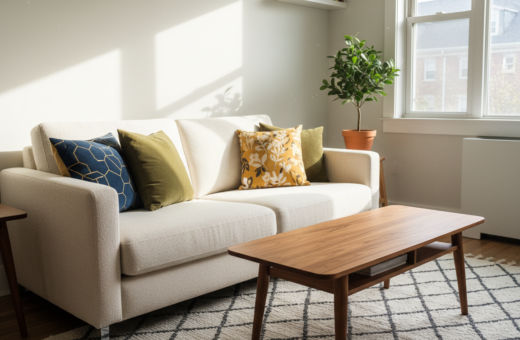
Start with a handcrafted table as an anchor. A single wooden piece can define the room’s style while remaining simple and purposeful.
Use natural color palettes—warm browns, muted grays, and soft creams—to soften harder lines. These tones help the entire home feel inviting without overwhelming the eye.
- Texture: mix rough grain with smooth finishes to create depth.
- Balance: pair clean profiles with organic surfaces for harmony.
- Durability: choose stone or hardwood for long-lasting value.
Result: a cohesive design that feels modern yet grounded. Natural materials age well and keep a room feeling warm and authentic for years.
Strategies for Maintaining a Clutter Free Home
Daily habits matter more than dramatic overhauls when the aim is to keep a home tidy. Small, consistent steps stop things from spreading across surfaces and the floor.
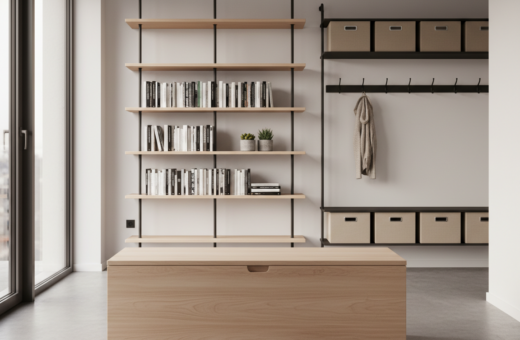
Use wall-mounted storage to free up floor space and keep counters clear. Shelves and hooks move daily items off side tables and make retrieval simple.
Designate a single desk area for bills, mail, and projects. When paperwork has a home, it does not drift into living areas and create new clutter.
Adopt a regular habit of assessing belongings and donating items no longer in use. This steady culling prevents accumulation of things that only add to the mess.
Vertical storage—tall cabinets, pegboards, and narrow shelving—lets homeowners keep surfaces open while still fitting necessary items into the room.
- Wall first: prioritize mounted solutions over extra floor units.
- One desk rule: centralize paperwork to limit spread.
- Regular edit: schedule declutter sessions every few months.
“Consistency matters: small daily choices keep a home calm and functional.”
For practical guidance on forming these habits, see the living simply guide.
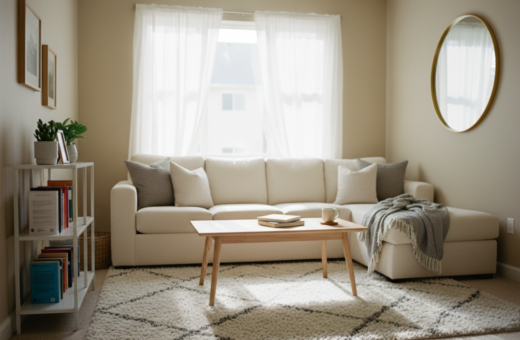
Designing a Minimalist Living Room
A calm, purposeful living room starts with a few well-chosen pieces that set the tone for the entire interior. Choose quality over quantity and pick items that work together in color and scale.
Focus on a clear layout so the room can serve both relaxing and practical needs. A slim desk can tuck along a wall and become a compact office nook without disrupting the living area.
Every piece should have intent. Keep the side surfaces tidy and leave an open path on the floor so movement feels natural. This approach helps maintain a calm living environment for daily routines.
- Limit large items to those that perform well for several uses.
- Place a narrow desk near natural light for a small office setup.
- Use one or two storage pieces to hide clutter and keep the room serene.
Result: a serene living room that supports rest, work, and simple social time. For more refined suggestions, see living room ideas.
“Design with purpose: let each piece earn its place.”
Conclusion
Small, deliberate changes can make a single room feel fully livable and welcoming.
By embracing compact, multifunctional pieces, one can transform any area into a practical sanctuary. Experts featured by Redfin offer tips for maximizing tiny apartment balconies and other small urban corners, which apply across an entire apartment or house.
Whether living in a large home or a modest flat, these strategies help organize your things and reclaim usable floor. Intentional choices ensure each part of the home earns its role.
Start small: pick one or two multifunctional items and watch how they improve daily life in the room.