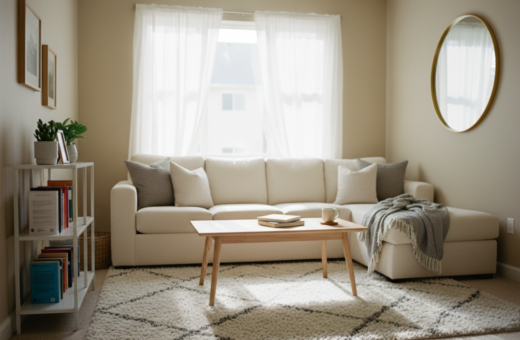
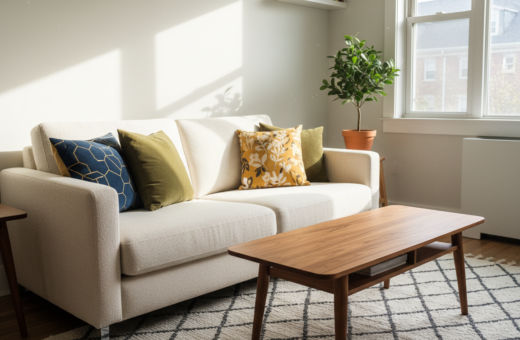
Choosing the right pieces sets the tone for a thoughtful, long-lasting home. They shape daily life and influence the environment, health, and overall design of a living space.
Students at the Interior Design Institute learn how to spot sustainable materials and apply that knowledge to create a stylish, eco-friendly home. This training helps people make a clear choice that blends beauty, durability, and care for the world.
Investing in high-quality furniture and sustainable furniture options reduces waste over time and keeps pieces appealing for years. A conscious choice today supports long-term sustainability and better health for occupants.
Key takeaways: Pick durable, well-made pieces; favor sustainable materials when possible; education helps buyers make smart choices that benefit the home and the world.
The Appeal of Timeless Furniture
Well-made pieces anchor a home with style that grows more confident over time. They favor craft and proportion over fleeting trends, so rooms feel cohesive for years.
Timeless design focuses on durability and practical beauty. Choosing sustainable furniture means fewer replacements and a smaller long-term footprint. Quality design keeps each piece structurally sound and visually pleasing as it ages.
Homeowners often invest in classic pieces to express values and taste. The result is a living space that adapts to new styles without losing its core character.
- Long-lasting construction that supports daily use.
- Materials selected for durability and low maintenance.
- Versatile silhouettes that work across decor changes.
- Emotional value—pieces that gain meaning with wear.
For guidance on building a lasting collection, explore resources that focus on quality and longevity, such as timeless pieces.
Why Natural Furniture Materials Matter for Your Home
Opting for certified, low-emission pieces helps protect ecosystems and the air people breathe at home. Small sourcing choices add up, so buyers should look for labels such as FSC to ensure that wood comes from responsibly managed forests.
Environmental Impact
Lower carbon and waste: Products made from sustainable materials cut emissions tied to production and long transport. Bamboo, for example, stores carbon and needs less energy to grow and process.
Healthier Indoor Air Quality
Reduce VOC exposure: Avoiding furniture made with harmful chemicals limits volatile organic compounds and improves air inside the home. Choosing quality design and safer adhesives reduces the release of these compounds over time.
- Many sustainable products aim to minimize waste and reliance on virgin resources.
- Choosing certified wood and low-VOC finishes supports both environment and health.
- Thoughtful options increase long-term quality and lower the overall footprint of purchases.
For practical guidance on sourcing eco-friendly options, see the research on eco-friendly furniture benefits.
The Enduring Beauty of Reclaimed Wood
Sourced from old barns and factories, reclaimed wood turns history into lasting household style.
Reclaimed wood gives a dining room immediate character. Each board tells a story from its past life in a barn, mill, or factory.
As a material, reclaimed wood prevents new tree harvesting and supports a more sustainable approach to furniture. Because the timber is already seasoned, it performs well under daily use and resists warping.
“A dining table made from salvaged boards becomes the heart of the home.”
Why people choose reclaimed wood:
- Unique character: No two pieces look the same, so a dining table is truly one of a kind.
- Proven durability: Aged wood is stable and well suited for busy rooms.
- Historic charm: Owners get a functional piece and a bit of living history.
Bamboo as a Versatile and Sustainable Choice
Choosing bamboo brings a resilient, low-impact option to modern interior design. It is a fast-growing grass that regrows after harvest, so it supports continuous use without long recovery times.
Benefits of Rapid Renewability
Strength and versatility: Bamboo serves well in dining room tables, beds, and sturdy frames. It is lightweight yet strong and adapts to many styles.
- Low carbon footprint: Fast regrowth reduces emissions versus many hardwoods.
- Durable frames: Designers often use bamboo for frames because it bends and holds shape.
- Wide product range: From chairs to shelving, bamboo products fit many rooms.
Eco-conscious buyers across the world favor bamboo as an option that supports sustainable manufacturing cycles. By choosing bamboo pieces, a homeowner reduces impact and invests in long-lived goods.
Natural Fibers for Comfortable Upholstery
Soft, breathable upholstery choices can change how a room feels the moment someone sits down. The right textiles improve comfort and lower exposure to harsh chemicals. They also support longer-lasting pieces in the living space.
Organic Cotton
Organic cotton uses far less water than conventional cotton and grows without pesticides. Upholstery made from organic cotton gives chairs and sofas a soft, comfortable feel while reducing chemical exposure in the home.
Hemp Durability
Hemp stands out for its strength and breathability. Upholstery made with hemp resists fading and holds up under daily use. It is an excellent material choice for high-traffic seating.
Jute Texture
Jute, imported mainly from India and Bangladesh, adds a warm, textured look. It is stretchable, tear-resistant, and breathable. Designers often use jute for rugs and woven covers that complement other furniture pieces.
- Comfort: Soft cotton options suit living and dining chairs.
- Durability: Hemp performs well over long periods.
- Style: Jute adds tactile interest to a room.
Choosing these upholstery options helps keep indoor spaces healthy and reduces reliance on synthetic alternatives.
The Role of Non-Toxic Finishes and Adhesives
Safe finishes and glues matter for both design and health. Low-VOC coatings cut the emission of volatile organic compounds that harm indoor air. This reduces long-term emissions and improves what people breathe at home.
Many modern manufacturers now replace toxic adhesives with non-toxic alternatives. This change protects workers and end users during manufacturing and use.
Simple care also matters. Oils and beeswax polishes nourish wood and give a lasting sheen without harsh chemicals. These treatments support the appearance of pieces while avoiding harmful compounds.
- Low-VOC finishes limit chemical exposure and lower indoor emissions.
- Non-toxic adhesives keep products safe and stable over time.
- Choosing certified low-emission products supports better air quality and health.
In short: selecting products with safe surface treatments and gentle care routines extends the life of your pieces and reduces harmful chemicals in the home.
Investing in Vintage and Upcycled Pieces
Hunting for vintage pieces brings history, character, and a lower environmental impact into the modern home. Buyers often find items with solid construction and lasting appeal that new mass-made goods rarely match.
Look for well-built wood dining sets and sturdy frames. Vintage chairs and tables often use thicker hardwood and joinery that stands up to daily use.
“Purchasing vintage keeps quality craft in circulation and gives each room a one-of-a-kind story.”
- Unique character: Vintage pieces add charm and a personality no new item can copy.
- Upcycled options: Reupholstered chairs or a suitcase coffee table are creative, eco-friendly choices.
- Durability: Solid wood dining sets and restored frames last longer than many modern alternatives.
- Curated home: Choosing vintage or upcycled pieces helps minimize waste and celebrate past craftsmanship.
Tip: Treat vintage buying as both a design and conservation move—look for quality joints, good wood grain, and repairable finishes when selecting a piece.
Ethical Manufacturing and Supply Chain Transparency
Ethical manufacturing gives buyers a clear view of how a product moves from raw wood to a finished piece. It focuses on fair wages, safe working conditions, and energy-efficient processes.
Transparent supply chains let consumers verify sourcing and production practices. This clarity helps people choose sustainable furniture and sustainable materials with confidence.
Brands that publish audits, third-party certifications, and emissions data show they value both people and the planet. That information reduces guesswork about labor and the carbon footprint tied to each purchase.
- Respect for workers: fair pay and safe sites protect communities.
- Verified sourcing: responsible wood procurement avoids ecosystem harm.
- Energy-smart practices: lower emissions through efficient manufacturing.
“Transparency makes it possible to trust the piece you bring into your home.”
Choosing brands that share records supports quality production and helps buyers make better design and sustainability choices.
Maintaining Your Furniture for Longevity
A simple routine of gentle cleaning and timely repairs keeps heirloom pieces attractive and usable for decades. With a few low-impact habits, owners extend life and cut waste.
Natural Care Methods
Clean with mild solutions: A 1:1 mix of vinegar and water or a squeeze of lemon in warm water removes grime without harsh chemicals. Wipe spills quickly to avoid stains and swelling in the wood.
Polish and nourish: Beeswax or food-safe oils feed the grain and restore sheen. Apply sparingly with a soft cloth, then buff to protect the surface from everyday wear.
Repair before replacement: Tighten loose joints, reglue small cracks, and reupholster worn seats. These actions keep pieces useful and reduce the need to buy new products.
- Preserve charm: Regular maintenance protects the look and structural integrity of each piece.
- Avoid harmful chemicals: Choose low-VOC cleaners and polishes to keep indoor air healthier.
- Sustainable practices: Repairing and reusing lessens landfill waste and supports long-term quality.
“Care is the simplest investment to keep good pieces out of the landfill.”
Conclusion
, Smart buying habits let homeowners build a collection that improves with use. They pick quality furniture and make choices that support both style and the planet.
Good design and careful upkeep extend life and reduce waste. These steps help the environment and make a home feel collected and calm.
Join the community: enroll in our courses to learn practical methods for choosing better pieces. The program includes a 7-day money-back guarantee for peace of mind.
Start today. Small, informed steps create a lasting way to care for the world and the rooms people live in.