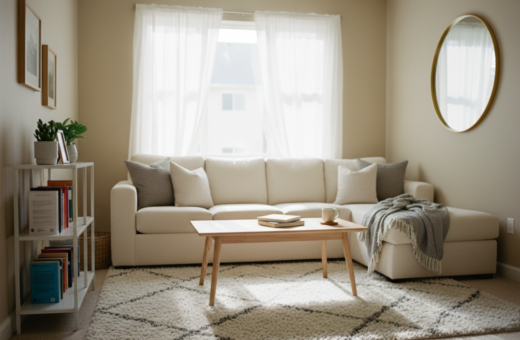
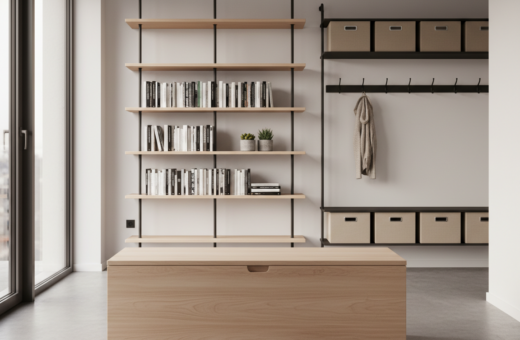
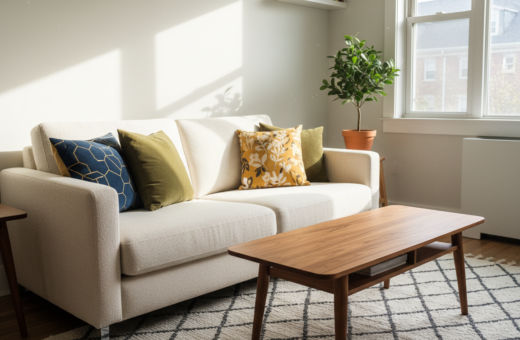
Designers use clear choices to help a home feel intentional rather than barren. Hans / Unsplash offers images that show how careful interior design can turn a sparse space into an inviting living area.
Good design focuses on purpose. Each piece in the room must serve a use and add to the overall room feel. When items are chosen with care, the living space supports daily life and looks polished.
It is not enough to remove clutter; one must curate. Thoughtful arrangement and selective furniture can change a room from stark to warm. This makes the apartment feel lived in without excess.
Understanding the difference between a purposeful minimalist approach and an empty room is the first step. With the right eye, every item contributes to harmony and practical comfort in modern living.
Key takeaways: Intentional choices make a space functional and welcoming. Quality pieces trump filling rooms. Photography by Hans / Unsplash illustrates these principles.
Understanding the Philosophy of Minimalist Design
When design centers on purpose, every object earns its place and the room breathes.
This design approach is a lifestyle choice that prizes clarity and tranquility. It asks homeowners to reduce visual noise so daily life becomes simpler and more focused.
It emphasizes precision: each piece must earn its spot and add value. The goal is not deprivation but thoughtful inclusion of decor that improves use and mood.
- Choose items that serve clear purposes and elevate how a room functions.
- Create calm spaces that act as a respite from busy routines.
- Prioritize quality over quantity to make the home both useful and beautiful.
- Think critically about what stays; every element should support daily life.
- Adopting this style helps craft a sanctuary marked by intention.
By focusing on essentials, people can shape homes that feel restful and welcoming. The philosophy rewards careful choices and steady upkeep, not emptiness.
Defining the Difference Between Minimal and Empty
A well-curated room tells a story; emptiness only suggests what’s missing. This section clarifies how a thoughtful approach makes a space feel intentional and welcoming.
The Trap of Austerity
A room pared down to near nothing can feel cold and staged. Designers warn that austerity without purpose often removes character.
When a homeowner removes too many items, the environment loses texture and warmth. That emptiness hurts how people experience the interior.
Purposeful Inclusion
Purposeful inclusion means selecting each piece with intent. Every item should earn its place and support use, mood, or function.
Tips from experts include keeping a few meaningful elements and layering soft textiles or art. These small choices create a sense of life without clutter.
“Curate with care: let each element answer a question—why is it here?”
- The trap of austerity often leaves a room cold and uninviting.
- Curate your space with items that bring warmth and personality.
- Make sure each element has a clear reason for being in the room.
Achieving Minimal Furniture Balance in Your Home
A carefully chosen sofa or chair can set the tone for an entire living space. It helps define how people use the room and how the space feels each day.
Taitopia Render / Unsplash shows how clean lines and thoughtful placement create order without crowding the room.
Key moves include picking each piece with purpose and leaving open areas so the home can breathe.
- Select a few strong items—sofa, chair, and table—that complement the room and life patterns.
- Use a rug to anchor seating and define the living room layout.
- Favor clean lines in pieces to keep the living space modern and uncluttered.
- Keep circulation paths clear so the space feels larger and more functional.
When every piece adds utility or warmth, the room reads as intentional rather than sparse. This approach keeps the home useful and calm, reflecting personal style while supporting daily life.
The Role of Visual Weight in Interior Design
Perceived weight in objects guides the eye and sets the tone for an interior. It helps people sense which areas feel anchored and which feel open.
Calculating visual weight begins by assessing scale, color, and texture. A dark, large piece reads heavier than a small, pale item. Shiny surfaces can add perceived mass too.
Calculating Visual Weight
Measure how each piece affects the room by comparing size and visual pull. Consider how shapes and texture change attention across spaces.
- Scale: Larger items carry more weight in a space.
- Color & contrast: High contrast steals focus and feels heavier.
- Texture: Dense or patterned surfaces add visual weight.
- Grouping: Several small pieces can equal one heavy piece.
By managing weight across the room, the design of the home feels intentional and professional. Every piece and texture contributes to the environment, letting occupants create a clear sense of style and calm.
Why Soft Lines and Curves Matter
Curves in a room create a gentle rhythm that changes how people move and feel. Soft lines ease visual tension and introduce a natural flow that helps the eye travel without stopping.
When designers mix curved pieces with straight elements, the design reads as intentional rather than rigid. Rounded edges in a chair or table invite touch and add human warmth to the interior.
Introducing arcs and gentle shapes also improves comfort. A calmer layout encourages lingering and social interaction. It makes the whole space feel more welcoming.
- Curved pieces add subtle movement that breaks up harsh geometry.
- Choose one or two soft-edged items so the room retains clarity without overcrowding.
- Use lines strategically to guide sightlines and create a cohesive flow.
Incorporating Bold Statement Pieces
A single bold element can rewrite how a living area feels and guides the eye through the space.
Choosing a strong piece—a Formula 1 print, a unique table, or an artful sofa—gives the room a focal point. Spacejoy / Unsplash shows how one item can inject personality and energy into a living room.
Choosing Focal Points
Pick one or two elements to lead the eye. A bold rug or side table can act as an anchor.
- Match scale: Ensure the piece complements the room and other elements.
- Use color and texture to highlight the item without overwhelming the space.
- Link to inspiration with a practical guide on making a statement with art and.
Avoiding Overcrowding
Give each statement piece room to breathe. Too many bold choices dilute the impact.
- Limit large statement pieces to one per major zone.
- Balance visual weight with simple lines and enough open space.
- Choose items that reflect personality and add comfort.
The Importance of Negative Space
Negative space shapes how a room breathes and how the eye travels through it.
Good design treats empty areas as active parts of the plan. Empty zones give context to objects and let details register without competing for attention.
The importance of negative space cannot be overstated: it provides the necessary balance so a room reads as intentional rather than cluttered.
- Leaving clear areas lets the eye rest and improves flow.
- Negative space acts as a buffer so elements do not fight for focus.
- Embracing empty zones makes a setting feel curated and more sophisticated.
- Well-used negative space makes smaller footprints feel open and inviting.
When designers plan with empty areas in mind, every object earns its place. The result is a polished, airy interior that supports daily life and visual calm.
Selecting Quality Over Quantity
Choosing fewer, higher-quality pieces makes a home read as intentional and lived-in.
When a person selects goods with purpose, each piece earns its place. This approach reduces excess and keeps the space open and practical.
Investing in durable goods means fewer purchases over time and a clearer aesthetic. A single high-quality statement item can anchor a room more effectively than many small, less notable objects.
- Pick items that serve clear functions and also lift the overall design.
- Choose well-made furniture and finishes for longevity and visual impact.
- Let each piece contribute to both use and mood so the home feels refined.
- Fewer, stronger selections simplify upkeep and make styling easier.
Ultimately, the choice to favor quality over quantity marks thoughtful design. It creates a lasting home that looks intentional and performs well for years.
Using Texture to Add Depth
Layered surfaces can turn a simple space into a tactile, inviting place. Texture works where color alone cannot. It gives a flat area life and helps the eye travel across the design.
Mixing Materials for Warmth
Start by pairing wood with metal or soft fabrics to bring contrast. One well-chosen furniture item can anchor the composition and make the room feel complete.
A textured table or a woven decor piece alters how the whole room reads. Even small elements shift mood and add warmth without clutter.
- Combine: wood, metal, and textiles for layered interest.
- Choose: a single warm color or a neutral palette to let texture lead.
- Consider: how each piece relates to the table, rug, and other pieces.
When surfaces are varied, spaces feel curated and personal. The result is an environment that is rich, comfortable, and refined.
Mastering the Art of Asymmetrical Balance
Asymmetry lets a room breathe with unexpected energy and personal character. It frees a layout from rigid rules and invites a dynamic aesthetic that feels modern and lived-in.
Adrika wrote on March 04, 2025, that asymmetrical balance breaks free from rigid rules to create a dynamic look. Designers often pair a sofa on one side with a chair on the other to craft a natural sense of balance.
The Japanese wabi-sabi tradition celebrates imperfection and gives permission to use uneven groupings. Post-World War II mid-century modern style also uses asymmetry to create movement and visual interest.
Key tips help make this approach work. Consider each element’s visual weight and how art or a statement piece guides the eye. Mix textures—like a rug and a table—to add personality without clutter.
“Curating uneven groupings lets the room tell a story, not recite a rule.”
- Use pieces of different scale to create movement.
- Anchor one side with a bold art or statement object.
- Layer texture to unify your style and enhance the aesthetic.
Creating Flow Through Thoughtful Layouts
When zones connect logically, the whole apartment reads as one cohesive living plan.
Good flow begins with clear paths. People should move through a space without stopping to bypass obstacles.
Place key pieces so they define areas but do not block passage. One or two well-chosen items can suggest purpose and keep the room feeling open.
Practical moves include angling seating to guide sightlines and leaving consistent gaps around major pieces. This makes the home easier to use and to enjoy.
“Arrange with movement in mind: let every zone answer how people will pass through it.”
- Define clear circulation without overcrowding the space.
- Ensure each piece of furniture serves a role and supports daily living.
- Keep the layout flexible so the room transitions smoothly from one area to the next.
Thoughtful layout is a simple tool of smart design. It creates a sense of balance and a more natural living experience.
The Impact of Color on Room Feel
Color alters mood instantly; a room’s palette can calm or energize on sight.
The impact of color on room feel is profound. It sets tone and guides how people move through a space.
Muted Palettes
Muted choices create a calm interior and a clear sense of tranquility. They let texture and forms take the stage without competing for attention.
Use soft neutrals and low-contrast hues to support the overall design. This approach gives the room a restful sense and keeps the space uncluttered.
Pops of Color
Pops of color add personality but must be used with restraint. A single bright accent can change the living mood without overwhelming the room.
Choose hues that reflect personal style and repeat them in small doses. This keeps the scheme cohesive and ensures the room feel stays intentional.
- Choose colors for the mood you want, whether calm or lively.
- Keep the palette mostly muted and introduce accents thoughtfully.
- Consider each color’s effect on other elements so the space reads as one.
Utilizing Smart Storage Solutions
Clever storage solutions expand usable space without changing the room’s footprint. They let the overall design breathe while keeping daily life simple.
Smart storage hides excess so the most important decor and furniture can take center stage. When unnecessary items are tucked away, clean lines remain visible and the room reads as intentional.
Integrated units save space and reduce clutter. A bench with drawers, a bed with lift storage, or wall cabinets free floor area. These choices create more open spaces and make the home feel larger.
- Match storage pieces to your color palette to keep the environment cohesive.
- Give every item a designated place so surfaces stay tidy.
- Use storage that complements existing lines and ties pieces together.
Outcome: With thoughtful storage, occupants curate what shows and what hides. The result is an organized room where items support use and the space remains calm and welcoming.
Trusting Your Intuition During the Process
Following one’s eye helps reveal what the room wants, not just what a trend prescribes.
Trusting intuition during the design process is the key to shaping a home that feels personal and right. When someone listens to their eye, small missteps show up quickly and can be fixed with simple edits.
They should spend time living in the space before committing to dramatic changes. Daily use reveals what a room lacks and what adds calm.
- Let instinct guide choices so the final plan reflects real needs.
- Make gradual adjustments to test how each piece affects the balance of the room.
- Use intuition to bring warmth and harmony into the home while keeping the overall design clear.
“Design is part feeling, part reason—trust both to create a place that feels like yours.”
Avoiding Common Design Pitfalls
Overlooking negative space or scale quickly undermines an otherwise strong interior design. Small choices add up and change how a room reads.
Keep the space feel calm by resisting overcrowding. Too many items hide statement pieces and make it hard for the eye to rest.
Pay attention to scale and the number of objects. Let key pieces—a chair, a rug, or art—have room to breathe so their impact is clear.
- Avoid stacking too many colors; pick a limited palette to keep the room feel cohesive.
- Use clean lines and clear circulation paths to help create visual order.
- Respect negative space so each element serves purpose and adds to the aesthetic.
- Choose storage that hides excess so living zones stay tidy and welcoming.
“Every element should earn its place—then the whole environment reads as intentional.”
Following these practical tips helps the space feel professional and lived-in. Thoughtful restraint is the surest route to a pleasing interior that stands out in the world of design.
Conclusion
A thoughtful final edit can turn a room into a calm, useful refuge.
Intentional design asks people to choose pieces that serve a purpose and add warmth. When each element has reason, the living space reads clear and inviting.
Invest in well-made furniture that supports daily use and fits the scale of the room. Let open areas breathe so the home feels larger and more comfortable.
Use color and texture sparingly to bring personality without clutter. Small, deliberate choices in style help the space reflect real life and lasting taste.
In the end, the goal is a home that works and feels like its owner. Keep editing, testing layouts, and trusting instinct to create a place of calm and purpose.