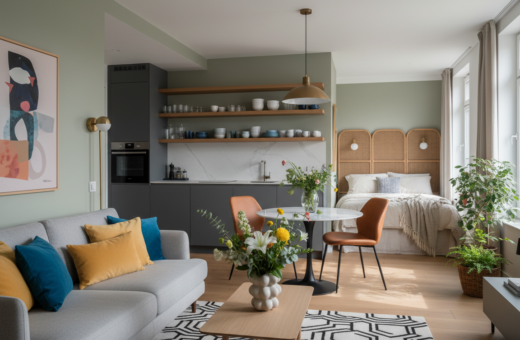
Homes with long, narrow living rooms from a 1980s addition can feel disjointed. Designers treat these spaces as a sequence of connected areas, not one single zone.
An effective approach analyzes the side, the window placement, and corner angles. This helps decide where to place the sofa, the dining table, or a fireplace so each piece of furniture earns its spot.
By moving seating away from the back wall and adding smart storage, the living space gains light and flow. Choosing balanced colors and clear sightlines makes the area feel intentional.
Professional guidance ensures every element supports the home’s interior. With the right design, an awkward living room becomes a valuable, functional living room that feels thoughtful and complete.
Understanding Your Unique Floor Plan
Start with a measured sketch of the floor to reveal how each doorway and wall shapes usable space. This simple map helps identify true constraints and opportunities before moving any furniture.
Assessing Architectural Constraints
Measure widths, ceiling height, and visible wall structure. Mark vents, radiators, and fixed cabinets. These details show where furniture can sit and where it cannot.
Designers often review walls to learn which are load-bearing and which might be altered. That step can change the entire living room layout and improve connectivity.
Identifying Entry and Exit Points
List every door and passage. Count them, then trace likely walking paths. Too many entry points will make the room feel fragmented and hard to zone.
When paths are clear, seating and storage can be placed without blocking movement. A mapped plan keeps the room balanced and ensures the living space supports daily routines.
- Map walls and openings.
- Note which wall can be altered.
- Plan furniture to preserve flow.
Defining Purpose in Awkward Apartment Layout Ideas
Begin with the main use of the living room and let that guide every placement choice. When a room’s function is clear, it becomes easier to select furniture, lighting, and decor that support daily life.
Many homeowners force too many activities into one space. That approach fragments the interior and makes living feel inefficient.
A fireplace can act as a natural focal point. Anchoring seating around a fireplace or a prominent piece of art gives the space order and an obvious center of attention.
Designers recommend assigning a primary role to each living room—entertaining, relaxing, or media—and arranging the rest of the rooms in the home to flow from that decision.
- Prioritize the activity that matters most to the household.
- Use the wall or fireplace as a focal point to organize seating.
- Consider sightlines to nearby rooms for smooth transitions.
Defining purpose reduces awkward living and creates a cohesive interior. A focused plan leads to a comfortable, inviting home.
Strategic Zoning for Large Living Spaces
A large living room can be transformed into distinct, usable places with a few focused moves. Strategic zoning helps divide an open living space into functional areas without heavy construction.
Using Rugs to Anchor Zones
Area rugs are the easiest visual tool for defining separate zones. They signal a seating area, frame a dining spot, or mark a reading nook.
Choose rugs that relate in color and scale so the room feels cohesive. Place a rug under the sofa and coffee table to create a clear seating area.
Use a durable rug beneath a dining table to ground that zone and protect floors. Overlap rugs slightly when two zones meet to keep sightlines fluid.
Dividing Areas with Consoles
A low console behind a sofa acts as a subtle divider that keeps light and openness. It separates the living space from a dining area without building a wall.
Consoles provide extra storage and a surface for lamps that help define each zone at night. Position a console so it supports flow between seating and the dining table.
- Use area rugs to anchor individual zones.
- Place a console behind a sofa to separate seating from dining.
- Assign each zone a purpose and the right furniture for that role.
Managing Traffic Flow and Walkways
Clear paths are the backbone of any successful living room; they let movement feel natural and unobstructed. Effective planning keeps the main way between the dining area and other zones open.
Designers recommend at least 36 inches of clearance in high-traffic places. This rule helps avoid bumping into furniture and keeps the floor easy to navigate.
Observe how people move through the room for a few days. Noting common routes reveals where seating or storage creates bottlenecks.
Rugs and low furniture can gently guide movement and establish logical areas without building walls. A narrow console or runner rug often points people toward the dining or entry.
Balance seating and storage so open floor remains for walkways. A clear path makes the living space feel larger and more welcoming.
For practical tips on arranging pieces to preserve flow, see this guide on how to arrange furniture in a through room.
- Keep main walkways at least 36 inches wide.
- Use rugs and low consoles to guide circulation.
- Watch daily movement to place furniture where it won’t block flow.
Selecting Furniture That Fits Your Scale
Start by matching each piece of furniture to the room’s real measurements rather than estimates. Accurate measuring prevents guesswork and keeps the living room layout balanced.
Choosing multi-functional pieces extends usefulness without crowding the space. Ajai Guyot used the magicplan app to walk the room and confirm measurements before buying. That process ensured the Sixpenny Amelia Sofa would pair well with an ottoman to form a chaise when needed.
Selecting Low-Profile Seating
Low-profile seating keeps sightlines open and makes living areas feel airier. A slim sofa or shallow-back chairs free visual space and avoid overpowering narrow rooms.
Measuring for Scale
Measure doorways, circulation paths, and clearances. A small round wooden stool can replace a bulky table and still offer surface area for coffee cups and books.
- Use apps or tape: verify scale before purchase.
- Pick flexible pieces: ottomans and modular sofas adapt to changing needs.
- Match proportions: chairs and sofas should relate to the room’s width and ceiling height.
Working With Curved and Diagonal Walls
When walls curve or run at an angle, designers treat the unexpected shape as a design asset. Marissa Soave notes many Chicagoland bungalows and modern condos show these quirks. A thoughtful living room layout respects that character and makes it work for daily life.
Instead of forcing standard placement, select furniture that follows the arc. A custom sofa or a rounded sectional can mirror a curved wall and make the space feel intentional.
Diagonal walls create interesting corners. Use those corners for built-in storage or a cozy reading area with a single chair and lamp. This turns an awkward living room detail into a useful feature.
Window placement matters here. Light hitting a curved surface changes how seating reads, so plan sightlines from the sofa to a focal point like a fireplace or media wall.
- Follow the wall’s rhythm: pick pieces that echo the shape.
- Custom fills gaps: built-ins smooth odd angles and add storage.
- Respect architecture: arrange furniture so the interior and the walls work together.
Maximizing Storage in Tight Quarters
Smart storage starts with a strict inventory of what truly belongs in the living area. Fumio Sasaki’s take on the Concorde Fallacy warns that too many options lead to regret and clutter. A quick purge helps every storage solution work harder.
Hidden Storage Solutions
Ottomans with removable tops double as extra seating and a discreet place for throws and small items. Low benches beneath a window become seating plus book storage without crowding the floor.
A two-tier console behind a sofa gives open shelves for baskets and a slim surface for a lamp or table tray. Wall-mounted shelves keep the floor clear and visually enlarge the room.
- Fit built-ins into a tight corner or along a wall to match exact dimensions.
- Choose multi-use furniture so each piece adds function, not clutter.
- Take inventory before buying to avoid needless purchases.
“Owning less lets small spaces feel calm and functional.”
Balancing Off-Center Fireplaces
When a fireplace sits to one side, the room benefits from a plan that rebalances visual weight. Designers treat the fireplace as a starting point, not a flaw, and arrange pieces to make the living room feel intentional.
Shift seating on an angle to create a dynamic focal point. Angled sofas or a pair of chairs facing the hearth draw attention without forcing symmetry.
Create counterbalance with art or storage. A gallery wall or built-in shelving on the opposite wall evens the visual mass and helps the space read as composed.
- Anchor seating around the fireplace as the main focal point.
- Use shelving or a console on the other side to match scale.
- Place rugs and lighting to link the hearth with the rest of the room.
Embracing the fireplace’s position lets the awkward living room feel purposeful. With careful furniture placement and a few deliberate elements, the off-center fireplace becomes the heart of the living room.
Creating Focal Points Without Traditional Walls
When walls disappear, deliberate furniture placement defines the heart of the living room. A clear purpose turns an open area into a usable, inviting room.
Place a sofa as an anchor. A well-placed sofa can point the eye and set the primary function of the space. Arrange seating around it to encourage conversation and connection.
Use rugs and a striking coffee table or artwork to declare a focal point. Lighting—a pendant or layered lamps—helps that focal point read clearly, day and night.
Group furniture so pieces face one another and form a natural gathering area. Keep pathways open so the focal element never blocks flow or access.
- Define the seating area with a rug and lighting.
- Choose one bold object to anchor attention.
- Arrange furniture to invite interaction without walls.
With careful selection and placement, any living room layout can feel cohesive and purposeful.
Utilizing Vertical Space for Height
Smart use of upward lines turns wall and window areas into assets that lift the entire living space. This approach draws the eye up and makes the living room feel taller without major work.
Install floor-to-ceiling shelves along a wall to add storage and instant height. Arrange books and objects in varied sizes to create movement and interest on the shelves.
When ceilings sit low, paint the ceiling a lighter shade than the walls to visually raise the room. Designers often use vertical trims or tall art to make small spaces read as grander.
Wall-mounted lights or uplighting brighten the upper plane without cluttering the floor. Use corner shelves near a window to take advantage of vertical pivots and to keep the floor clear.
- Floor-to-ceiling storage gives height and hides clutter.
- Vertical lines from tall art or moldings lengthen a room.
- Uplighting lifts light into the upper interior and feels airy.
Choosing the Right Area Rugs for Definition
Rugs act as visual borders that anchor furniture and mark how people use the room.
Size matters: a rug should be large enough so the sofa and chairs sit at least partially on it. That unifies the seating area and prevents the living space from feeling fragmented.
Material and color affect comfort and tone. Choose durable fibers near a dining table and softer textures where people linger. Match color to the room’s palette so rugs feel connected but distinct between zones.
Rugs also reduce echo and make the space quieter. In an open plan, use rugs that relate in scale and pattern to keep the living and dining areas in dialogue without competing.
- Pick a rug that fits under front legs of the sofa and chairs.
- Use low-pile options near a dining table for easy chair movement.
- Layer texture and color to add warmth and tie areas together.
Well-chosen area rugs transform a room by adding texture, comfort, and clear zones that feel intentional and ready for daily use.
Incorporating Lighting to Shape Your Room
Lighting design gives a living room identity and defines how people use the space.
Placement and type of light change how a room reads. Proper lighting alters the perceived shape and scale of walls and corners. It can make a narrow floor feel wider or a deep side area feel connected to the main living zone.
Layering Ambient and Task Lighting
Start with ambient light to set a comfortable base for the whole room. Overhead fixtures or dimmable ceiling lights create an even glow that ties zones together.
Then add task lamps where activities happen. A floor lamp beside a chair, a table lamp on the console, or adjustable sconces near the fireplace ensures each area is usable for reading, working, or relaxing.
- Mix floor and table lamps to form pools of light that define seating areas.
- Use spot or wall-wash fixtures to highlight a textured wall or a fireplace as a focal point.
- Place lamps on the side of the room to remove dark corners and balance illumination across the floor.
“A layered lighting plan creates flexibility so the living space adapts to day and night.”
Well-planned lighting makes the home feel inviting and functional. With a few adjustments, light reshapes the room and improves daily living.
Avoiding Common Layout Mistakes
Small changes in furniture placement often cure the most common problems in a living room. Pushing every piece against the wall can make a room feel flat and disconnected. Instead, float the sofa or angle chairs to form a true seating area that invites conversation.
Ignoring the focal point leaves an awkward living room without purpose. Arrange seating toward a fireplace, window, or a bold piece of art so the space reads as intentional.
Define the dining and living zones with simple tools. A rug under the table or a low console behind a sofa creates a clear way between areas and preserves traffic flow.
Choose furniture to scale. Oversized pieces crowd small spaces, while slim profiles and smart storage keep the interior calm and useful.
- Keep main walkways open and aim for at least one clear path.
- Balance light, colors, and storage so the space feels organized.
- Try multiple arrangements—small moves reveal what works.
“Try floating the sofa and watch how the room regains balance.”
Conclusion
, Small shifts in furniture, lighting, and storage often unlock a living room’s full potential. Simple, deliberate moves make a big difference.
By studying the floor plan and keeping purpose front and center, anyone can create a balanced room that serves daily life. Strategic zoning, correct furniture scale, and layered lighting work together to form a cohesive composition.
Transforming a challenging space is possible with patience and intent. With these principles and occasional professional guidance, homeowners can turn a tricky living room into a stylish, functional highlight of the home.