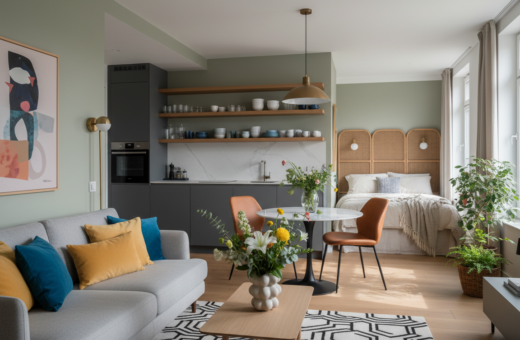
Design in compact dwellings demanded a strategic, professional approach. In a 700 square-foot NYC apartment, Courtney Voegele found that thoughtful choices helped each room function without feeling cramped. Those moves showed how to make space feel brighter and more usable.
Designers focused on layout and flow to keep the living room comfortable for work and rest. Removing barriers let natural light travel across the space and helped make room for daily life.
Multifunctional furniture let residents make space for possessions and activities without crowding. In that small apartment, practical organization turned an ordinary living area into a calm home sanctuary.
These proven tricks showed how a few deliberate choices could expand perceived space and improve everyday living in a small space.
Embracing the Potential of Small Apartment Styling Tips
Living within a compact 500‑square‑foot plan invites creative layout solutions and refined finishes. Greystar notes that this size remains popular for those who value affordability and a minimalist approach.
Treat the floor plan as a canvas. By choosing a few high‑quality pieces and clear organizational ideas, residents can maximize every inch and improve the overall space feel.
Furniture placement is pivotal. The way items are arranged determines how open the area reads and how traffic flows. With deliberate decisions, a studio apartment becomes both functional and stylish.
“Embracing limitations often reveals better design choices that make even the smallest home feel larger.”
- Prioritize multipurpose elements that free up circulation.
- Use cohesive materials to create visual continuity.
- Experiment with layout ideas that balance comfort and modern aesthetics.
Assessing Your Furniture Layout
Start by mapping furniture positions to see how each piece affects movement through the space. A quick plan helps spot pinch points and lets the designer test alternatives before moving heavy items.
Furniture scale
Measure each item and compare it to the room footprint. When pieces are in scale, the living area reads larger and feels more usable.
Consider a Sibyl Colefax Lancaster table as a compact dining solution. It can fit the footprint of a washing machine and still serve as a functional dining surface without crowding the floor.
Traffic flow
Map routes between doors, the main wall, and seating clusters. Designers often sketch paths to ensure corners and corridors remain clear.
Analyzing scale prevents the common error of filling a studio apartment with oversized items that block movement. A good layout keeps the living room flexible for guests and daily life.
- Measure and sketch before you buy to protect circulation.
- Place the table so it supports a dining area without interrupting the main path.
- Use walls and corners for storage to free central floor space.
Investing in Multipurpose Furniture
Choosing furniture that does more than one job changes how a room behaves day to day. It makes the most of limited space while keeping design thoughtful and calm.
Lucy found a banquette at OKA that acts as a sofa for movie nights and as seating for dinner parties in a small apartment. Boz Gagovski documented a London pied-à-terre where upholstered fireside chairs on castors slide easily from the living area to the dining table.
“When pieces pull double duty, the home feels both gracious and functional.”
Consider versatile pieces:
- A Conran trundle bed gives a queen-size sleep option without taking permanent floor space.
- A lift-up ottoman bed hides luggage and keeps the bedroom tidy.
- Castor chairs convert living seating into extra dining chairs in one smooth move.
Every piece should earn its place. Choosing items that work in more than one way doubles the utility of the living and dining zones and keeps a studio apartment organized and welcoming.
Utilizing Vertical Storage Solutions
When storage climbs toward the ceiling, the eye follows it, and the living area reads as more open.
Tall shelving units
Vertical storage draws attention upward and keeps the floor clear. Professional designers often recommend installing tall shelves so a studio apartment remains organized without losing floor space.
A lift-up ottoman bed is another smart move. It stores suitcases and ironing boards under the mattress and maximizes bedroom floor space for daily use.
Place a sofa against a wall with a tall shelving unit behind or beside it. This creates a cohesive living layout that feels intentional and highly functional.
“When the vertical plane is used well, the entire apartment feels significantly more open.”
- Secure every tall shelving unit to the wall for safety.
- Mix open shelves and closed storage to reduce visual clutter.
- Use the top shelves for items you rarely use to preserve active space.
Maximizing Natural and Artificial Light
Maximizing daylight and well-placed fixtures changes how every room reads and moves. Good light planning removes heavy shadows and makes each space feel larger and more welcoming.
Sheer window treatments let daylight pour in while keeping privacy intact. They soften the view and let sunlight reach deeper into the living zone. Choose lightweight fabrics and hang curtains close to the ceiling to draw the eye upward.
Lighting plans
Implement ceiling downlights and wall lights to lift darker corners. Nick Smith found that removing an adjoining wall between a kitchen and dining area let natural light flow freely, instantly enlarging the apartment.
A layered plan combines ambient downlights, task lamps, and wall sconces so every corner is lit. Use light-colored furniture and finishes to reflect light and reinforce the effect.
- Install dimmable ceiling downlights for flexible mood control.
- Place wall lights to eliminate shadowed zones and enhance circulation.
- Remove barriers where possible to share daylight between rooms.
“Removing walls between a kitchen and living room allows natural light to flow freely, making the apartment feel larger.”
Creating Distinct Zones for Daily Activities
A deliberate layout separates work, dining, and relaxation so each room reads as intentional. Zoning gives every part of the home a clear purpose and keeps circulation open.
In a Marylebone house, a snug became a dedicated pre-dinner drinks and games area. Designers added a bar trolley and a versatile ottoman that doubles as seating and concealed storage.
To protect focus, assign a corner for a desk so work does not spill into the living room. A slim side table can mark a reading area and keep piles off the floor.
Benefits:
- Separate zones let the living room stay for rest and guests.
- Clear boundaries make the most of floor plans in a studio apartment or compact home.
- Integrated storage in each zone—like an ottoman for blankets—keeps shared spaces tidy and ready for any use.
“Establishing distinct areas helps every activity feel considered and keeps the room uncluttered.”
Selecting Light and Neutral Color Palettes
A pale, cohesive palette can instantly expand how a room reads and calm visual noise across the space. Choosing soft tones helps surfaces reflect light and reduces hard contrasts that break sightlines.
In the living room, shades such as cream or warm beige on walls reflect daylight and create a serene, airy feel. Professional designers pair these neutral walls with light-colored furniture so the living room looks cohesive and restful.
Keeping the color palette consistent through each apartment makes separate rooms feel connected. That flow tricks the eye into seeing a larger overall space and improves movement from one area to another.
A neutral background also gives freedom to add personality through cushions, art, and plants without cluttering visual space. By prioritizing lighter finishes, the visual weight of furniture drops and the living areas feel less crowded and more inviting.
Incorporating Mirrors and Reflective Surfaces
Strategic mirrors can instantly widen a living room by reflecting views and daylight into unseen corners. They give a quick sense of added depth without changing the layout. A prominent mirror on a main wall can double perceived depth and make the whole space feel lighter.
Glass and acrylic materials
Choose glass or acrylic coffee tables and side chairs so the eye passes through the furniture. Transparent pieces stop the view from breaking and preserve circulation across the room.
Reflective decor, metallic finishes, and glass tabletops help bounce light around the living area. Designers often place a large mirror behind a sofa to create the illusion of an extended living room in a small apartment.
- Visual depth: A mirror can open up a tight space without extra storage or renovation.
- Unobstructed sightlines: Transparent pieces reduce visual clutter and keep the room feeling airy.
- Light spread: Reflective surfaces amplify daylight and artificial light across the room.
Every reflective element serves as a deliberate decor device to make the apartment read as more open and calm.
Choosing Slim and Streamlined Furniture Designs
Opting for narrow silhouettes and open bases makes circulation easier and preserves sightlines across the living room.
Lean, low-mass pieces help the eye move and keep floor space clear. Select items with thin legs or raised frames so the floor reads continuous and the room feels less crowded.
A wall-mounted desk is a prime example of a streamlined piece. It creates a usable workspace without sacrificing valuable floor area or interrupting the flow from one zone to another.
Designers also favor floating shelves and slim side tables to store essentials while maintaining openness. Choose proportions that relate to the room so each piece earns its place.
“When every element is light and proportional, the living area reads larger and feels more functional.”
- Prioritize items with open bases to show more floor.
- Keep the wall clear where possible to preserve sightlines.
- Balance a few narrow pieces rather than many bulky ones.
With intentional design, a compact living area in a small apartment stays usable and calm. Streamlined furniture makes the space work harder while feeling airier every day.
Managing Clutter for a Clean Aesthetic
When every item has a home, the living room reads as purposeful and calm rather than crowded. A clean aesthetic starts with clear rules about where things live and how they return to that place.
Hidden compartments are a practical first move. Designers recommend sofas with storage, coffee tables that lift, and a bookcase with low-level cupboards for files and paperwork. These solutions keep the top of your table and other surfaces uncluttered.
Regular decluttering keeps the system working. A quick weekly sweep removes things that accumulate and protects floor space. Use the space under a bed or behind a wall cabinet to hide seasonal items without taking valuable floor.
Simple rituals that help
- Assign a spot for mail and paperwork so it never spreads across the room.
- Store extra cushions and throws inside an ottoman or sofa base.
- Clear tabletops nightly to preserve a calm living area.
“Every item should earn its place; that discipline keeps the room serene and the space functional.”
Leveraging Wall Space for Decor and Storage
Walls can be reframed as active storage planes that free the floor and sharpen the room’s purpose. Treating vertical surfaces this way creates usable space and keeps circulation clear.
Install shelves that reach toward the ceiling so you can display books and decor while preserving floor space. Tall runs draw the eye up and make the living area feel taller and calmer.
Designers often add wall-mounted hooks and hanging baskets to keep daily items at hand without crowding the floor. This approach turns each wall into a functional zone for coats, bags, and textiles.
Every wall in the home offers potential. Use narrow ledges for artwork, staggered shelving for plants, or a rail system to hold frequently used utensils. Each choice increases efficient storage and improves the way the room works.
- Maximize vertical runs to expand perceived space.
- Mix open shelves and closed cabinets for tidy living.
- Keep the main floor clear to protect circulation and sightlines.
Using Flexible Rugs and Textiles
A thin flatweave rug can redefine an area in minutes, creating zones without building walls. Alicia Waite notes that these rugs roll up easily and tuck away when entertaining, so the room can open up fast.
Lightweight curtains and soft throws add warmth without heavy furniture or thick carpets. These textiles make the living space feel inviting and are simple to move when the layout changes.
Designers recommend flexible pieces that pull double duty. Extra chairs or small tables can sit in one zone, then shift to the side when the dining table is used.
- Use thin rugs to mark a seating area and roll them away to free the floor.
- Store a rug under a bed for easy storage and extra circulation.
- Choose textiles that are low‑bulk so every piece supports comfort without crowding.
Every textile choice should make life easier. When rugs and throws are mobile, the room adapts to guests, work, or rest in a clear, practical way.
Opting for Large Scale Artwork
A single oversized artwork can instantly anchor a living area and change how the room reads. Choosing one bold piece reduces visual clutter on the wall and across the floor plan.
Professional designers often place large artwork in the bedroom or living room to create a clear focal point. A prominent canvas draws the eye upward toward the ceiling, which makes the whole space feel taller.
When the art is scaled to the wall and positioned above key furniture, it ties the arrangement together. One strong decor item reads as curated rather than crowded.
- Favor one statement piece over many small pieces.
- Hang the center of the work at eye level and above seating to link art with function.
- Balance the artwork with open floor space so the composition breathes.
“A single, bold artwork can make a room feel curated and intentional.”
For inspiration on making a big statement with oversized art, see oversized art.
Implementing Bespoke Joinery
Bespoke joinery reshapes how a room performs by turning wasted gaps into purposeful storage. Tailored units harvest awkward corners and make key zones more efficient. This approach keeps circulation clear while adding built-in function.
Custom banquettes
A dining banquette can be engineered to hold ski kit, cookware, and other items while concealing a heater. Designers match the color of the unit to the wall to create a seamless look that reads as one element rather than multiple pieces.
Beyond the dining area, a banquette can double as a sofa for the living room and hide blankets, board games, or paperwork. Joinery also lets a homeowner build a coffee table or a bed frame that fits exact measurements and storage needs.
- Maximize storage: bespoke units free floor space without taking extra room.
- Cohesive design: matching finishes create visual continuity across spaces.
- Multifunctional use: a banquette serves as seating, a sofa, and hidden storage.
- Tailored solutions: custom tables, beds, and coffee pieces meet exact top and side requirements.
- Neat living: joinery hides heaters and clutter so the area stays organized and calm.
Balancing Cozy Patterns with Minimalist Needs
Patterned textiles become purposeful accents when balanced with calm, streamlined surfaces. Emma Ainscough filled her small space with color and pattern to make rooms feel lived-in and inviting.
Choose one or two patterned pieces— a sofa or a wall hanging—to anchor a zone. These pieces add character without crowding the plan.
Keep most surfaces light and solid-colored. A few pale cabinets or a neutral bed frame help patterns breathe and maintain visual calm in a bedroom or living area.
Professional designers advise that neutral walls are optional. Thoughtful color choices can enrich small spaces when paired with clean-lined furniture and ample light.
- Limit patterns to focal points so the room reads coherent.
- Match one dominant color across textiles to tie the look together.
- Keep smaller decor minimal so patterned pieces stay intentional.
“When cozy textiles meet a streamlined layout, a home feels both functional and deeply comfortable.”
Balanced pattern and restraint are a simple route to warm, confident design.
Conclusion
Thoughtful edits to storage, lighting, and furniture transform crowded zones into calm, usable spaces. By arranging the layout and using light to guide the eye, one can make space feel brighter and more open in any home.
Practical storage and smart choices about where to place things will change how living spaces perform. Small moves—repositioning a coffee table, adding shelves near the ceiling, or refining the traffic way—help make space that works for daily life.
In short, apply these ideas with purpose and the room will reward you. Each deliberate change adds up and helps people create a home that truly reflects their needs and style.