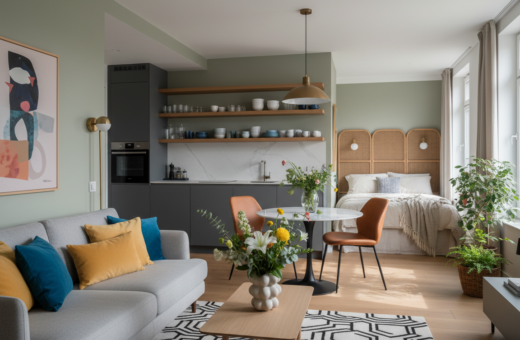
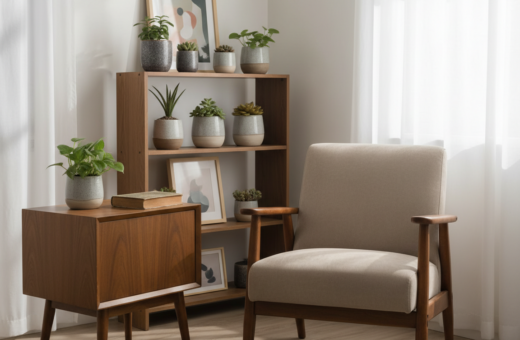
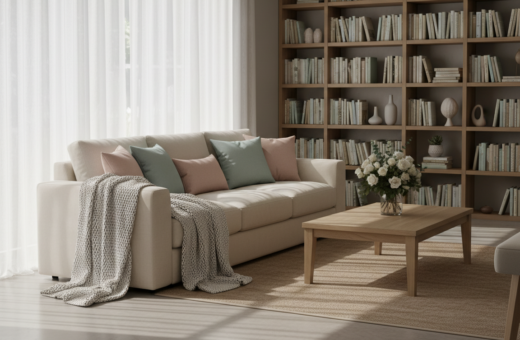
The author and her husband Donnie learned to manage tight quarters after moving into a cozy one-bedroom right after they married. Living in that limited space taught them how disorder affects calm in the home. A simple plan helps reduce visual clutter and makes each room feel larger.
When you decide to declutter, start by setting aside a little time each day for organizing. They learned to sort items by use, then assign storage that fits the room. Clear choices free up floor space and make daily routines faster.
Years in converted rooms and other tight living areas gave them practical storage ideas. With gentle patience and smart organizing tips, anyone can turn crowded areas into calm, functional spaces. The goal is obvious: keep what matters and let the rest go.
Establishing a Vision for Your Living Space
Start by picturing how each corner of the main living area will be used every day. The author and her family split their primary space into a dining spot, a TV watching area, and a toy zone for the children.
In many small apartment layouts, one room serves several purposes. A dining table may double as a workspace or homework station. Defining zones keeps the living room tidy and purposeful.
Having a clear vision helps you stay committed. When each square foot has a role, it is easier to resist adding items that do not belong in those spaces.
Consider a low bookshelf or a tall cabinet to act as a physical door between zones. That simple boundary can make the dining area feel separate and allow family meals without the chaos of toys or TV noise.
- Define one spot for eating, one for play, and one for relaxing.
- Use furniture to create a sense of door and separation.
- Label or cue where items belong to keep the home orderly.
How to Declutter Small Apartment Areas Effectively
Tackle one category at a time to avoid feeling overwhelmed and to make steady progress. Start with books or clothes so you see results fast. This method helps spot duplicates and frees up storage in every room.
Categorizing by Item Type
Sort items into clear piles: keep, donate, sell, recycle. Focus on one category each session — books, kitchen goods, or clothing.
Find a designated place for every piece. Use bins, shelves, and drawer organizers to keep the living room and closet tidy.
The Joy of Letting Go
Ask whether a piece of furniture or decor truly brings joy. If it does not, it can be moved on. Clearing a closet or cabinets in a day gives quick relief.
- Use the KonMari idea: category-first, not room-first.
- Assign storage places and use organizers to maintain order.
- Be ruthless about duplicates to protect limited space.
The Importance of Purging Excess Belongings
Freeing up storage by removing redundant items reshapes how living areas function each day. The author found that seven years of college binders were only taking up closet and shelf space without adding value.
She also let go of a George Foreman grill and a blender after realizing other tools covered their items use. Clearing a single cabinet or counter can change how a kitchen feels and how easy it is to cook.
Be practical and honest with each piece. Ask whether an item earns its spot or simply collects dust in a room. If another object performs the same job, consider removing the duplicate.
“She realized that keeping things for someday made her home feel full before she was ready.”
- Reclaim space: Purging creates visible storage and clears traffic flows.
- Be ruthless: Every inch counts in a living space and closet.
- Donate or discard: Broken or seldom-used belongings should leave to keep the home peaceful.
For quick ideas on items to remove and how to act fast, see this guide: quick items purge checklist.
Creating Functional Zones Within Your Home
A thoughtful layout turns one open living area into several purposeful spaces that work for the family. Assign clear roles to corners and key pieces of furniture so every place has a job. This reduces daily decision time and protects the rest of the room from overflow.
Utilizing Rolling Carts for Flexibility
The IKEA RASKOG rolling cart is a favorite because it adds mobile storage without stealing permanent floor space. It moves from kitchen to living room to closet as needed.
Use a cart to corral craft items, pantry goods, or office tools. When not in use, it tucks under a counter or behind a door.
- Create a work nook with a secretary desk that closes to hide papers.
- Turn an unused closet into a focused zone for storage or a mini office.
- Define a dining spot with a table and a low shelf to mark the area.
Every zone should have one clear purpose. That way, belongings stay in their place and the living space stays calm.
Maximizing Vertical Storage Potential
Look up before you look around: vertical solutions free floor room and change how a home feels. Using wall height and tall pieces is the fastest way to maximize space and keep areas tidy.
Installing Wall Shelving
Wall shelves create storage without stealing walking space. Use tall units for books and toys so the floor stays open and the room reads larger.
Using Closet Systems
The author used the IKEA BOAXEL system to organize three closet areas. A layered setup of drawers, shelves, and organizers stores seasonal items and everyday supplies.
For a step-by-step closet system guide, see the closet system guide.
Mounting Pegboards
Mount pegboards in the kitchen or craft corner to hang tools and supplies. Pegboards keep counters clear and make items easy to find.
- Use storage bins on high shelves for seasonal gear.
- Consider bunk beds to free floor space for other furniture or a desk.
- Convert unused nooks—like an 8′ x 8′ basement—into an office or workout area to increase usable square footage.
By using every inch of vertical space, one can transform a crowded living area into an efficient, orderly home that feels larger and works better day to day.
Keeping Floors Clear for Better Flow
Donnie insists that the single best habit for livability is to keep the floor visible and clear. A clear floor improves traffic flow and makes the living space feel larger immediately.
Avoid using the floor as a storage area. When shoes, toys, or boxes sit on the floor, the room quickly looks cluttered and harder to clean.
The family used cheap pantry bins from WalMart to keep shoes off the closet floor. That small change freed floor space and sped up morning routines.
Simple shelving and storage bins hold big toys so the living room stays open. Place a dresser beneath hanging clothes in a tight closet to keep items off the floor.
- Keep floors clear: makes vacuuming and daily cleaning faster.
- Use shelves and drawers: move items up and away from walking paths.
- Place furniture smartly: beds, dining tables, and dressers can protect free floor space.
A reachable, open floor is the hallmark of an organized home. With deliberate storage choices, each area works better and the apartment feels brighter and more peaceful.
Being Selective About New Items
Every new purchase should earn its place before it crosses the threshold. The author follows a simple rule: remove one item for every new piece brought into the space.
She asks whether a purchase serves more than one role. Multi-use items protect limited storage and reduce the need for extra furniture. If an item is a duplicate, it rarely makes sense to add it.
Before buying, the family maps exactly where a new item will live. If the kitchen or closet has no room that fits, they leave the piece at the store.
- Think function: prefer items that solve more than one need.
- Balance storage: one in, one out keeps areas manageable.
- Plan placement: know the spot for new furniture before purchase.
Being picky prevents slow accumulation of things that complicate systems. That way, the apartment stays a peaceful home rather than a collection of unused pieces. For tips on living simply, see living simply.
Conclusion
Create a routine that makes upkeep simple so the home stays calm each day.
They recommend starting with one area and using practical tips to cut clutter and save time. Small efforts each day add up and protect living spaces from slow accumulation.
Use furniture with clear purpose and try ideas that fit your lifestyle. Good organization keeps things easy to find and makes chores quicker.
Decluttering is ongoing, but steady maintenance makes the space feel peaceful. Begin with one test area today and watch how your home changes for the better.