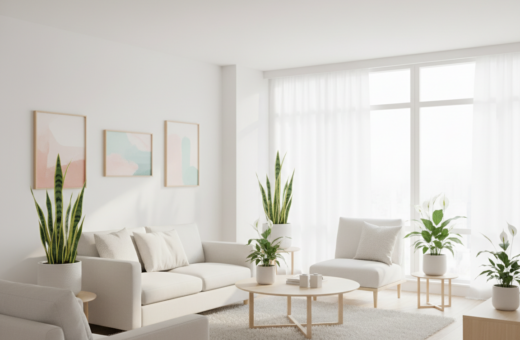
Modern living spaces can feel tight when everything shares the same palette. Leanna S., a Decorilla designer, notes that the best apartment design starts with how people use the room through the day.
Instead of bold paint, designers use layered textures, varied finishes, and light to create depth. These choices make a home look larger and keep the interior feeling calm and refined.
Small space planning asks for a thoughtful layout. Placing furniture, art, and rugs so they interact with walls and floors helps the eye move around the space.
Practical ways—like mixing matte and satin surfaces or adding a simple floor runner—offer visual interest without shouting color. This approach keeps the room feel airy and purposeful.
By focusing on elements, light, and material, anyone can achieve a composed look that brings depth and balance to their living room.
Understanding the Power of Subtle Contrast in Apartment Decor
Smart tone shifts make a room feel intentional rather than cluttered. Designers rely on gentle changes in hue and finish to give a space depth without loud color choices.
Defining subtle contrast
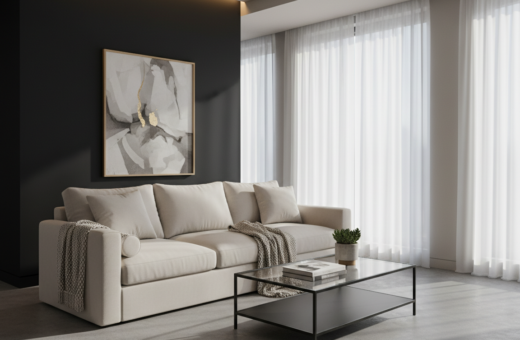
Subtle contrast apartment decor uses near-neutral tones and varied finishes to create layered interest. Painting a wall in a slightly different shade or using satin versus matte on trim adds dimension without dominating the living area.
The role of neutrality
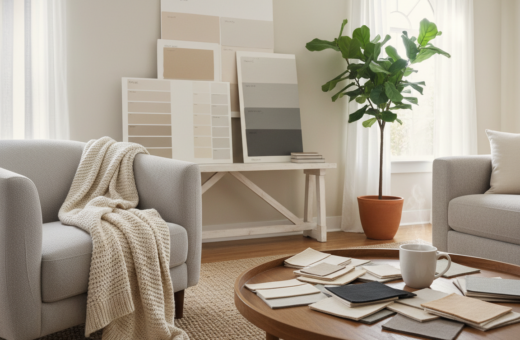
Neutral palettes allow rooms and adjacent spaces to flow together. Benjamin Moore offers more than 3,500 colors, so homeowners can find the right paint to lift a wall or set a calm tone for the whole home.
- Light paint above eye level visually raises walls and opens the room.
- An accent wall introduces focus without overwhelming nearby spaces.
- Using varied finishes of one color creates a layered, sophisticated look.
Establishing a Cohesive Design System
Choosing a single design system gives every room a shared purpose and direction. Joyce T., a Decorilla designer, recommends picking a clear style like Mid-century Modern or Scandinavian to set the pace for the whole home.
This approach helps decisions about furniture and finishes move quickly. It also keeps separate spaces from feeling like mismatched rooms.
“Selecting one style simplifies choices and makes it easier to bring in new pieces without upsetting the balance.”
Key benefits:
- A consistent color palette across walls and furniture creates a seamless look and opens visual space.
- Focusing on one interior design theme makes it simple to pick items that work together.
- Keeping a measured amount of contrast prevents the living area from feeling busy or heavy.
When designers use a unified plan, each room contributes to the overall look. The result is a tidy, stylish home that feels larger and more intentional.
Mastering the Art of Spatial Flow
Good spatial flow begins with observing real movement in the room. Mapping where people walk, sit, and pause helps reveal problem spots. This practical step makes it easier to plan furniture and keep the space feel open.
Tracking Movement Patterns
Use simple tools to test layouts. Tape on the floor or cardboard placeholders show how a sofa, coffee table, and other pieces affect routes through the living area.
- Measure clearances: Marve M. stresses that the gap between a coffee table and sofa must allow easy reach and passage.
- Zone with tape: Mark walkways to visualize how a table or rug changes flow.
- Prioritize the dining zone: Place the dining table so chairs slide out without blocking main paths.
- Choose versatile pieces: Lightweight furniture lets the home adapt for different uses and events.
“Clear paths keep a room efficient and calm; planning movement patterns is the simplest way to ensure function and form work together.”
Consistent use of color and finish across walls and furniture ties separate spaces together. Small changes in arrangement can make the whole interior feel larger and more comfortable.
Layering Light to Create Depth
Good lighting design reveals texture and scale, so walls and furniture read as distinct planes.
Start with ceiling mounts for even ambient light, then add task lamps near a table or sofa to support activities. Matthew J. recommends under-shelf LEDs and uplights to accentuate finish changes on cabinets and walls.
Placement Strategies
Place lights from the functional core outward. Task pieces sit closest to the activity, while accent fixtures draw the eye across the room.
- Ambient: Ceiling fixtures for general brightness.
- Task: Desk and floor lamps aimed at work zones.
- Accent: Uplights, shelf LEDs, or picture lights that highlight materials and art.
Avoiding Flat Surfaces
Varied finishes and the right paint sheen change how light reflects. Matte walls absorb light while satin cabinets offer a soft glow.
Window treatments that diffuse sunlight keep natural light useful and private. Together, these elements make a small space feel larger and add true depth to any living room.
Utilizing Texture for Visual Interest
Layered materials can make a small space feel richer and more alive.
Michelle B., a Decorilla designer, recommends textured throws to add a soft contrast to hard surfaces in a modern apartment. A simple knit or boucle throw refreshes a neutral living room and invites touch.
Mixing wood, metal, and fabric builds a layered look that reads as intentional design. Use a matte wall finish or low-profile wallpaper to add depth without busy patterns.
Focus on tactile quality: rugs, cushions, and woven baskets warm a room and make a home feel personalized. Professional designers use textured pieces to break up single-color schemes in small spaces.
- Choose textures that complement existing colors and style.
- Vary scale: large weaves with fine linens creates balance.
- Keep a cohesive palette so textures enhance rather than clash.
“Adding a variety of textures is one of the simplest ways to elevate overall design.”
Strategic Furniture Placement for Openness
Where each piece sits matters as much as the piece itself in making a space breathe. Intentional placement clears sightlines and lets light move across the room.
Designers recommend simple rules to keep a home feeling open. Megan W. suggests floating the sofa to define zones without blocking light. A well-placed sofa can divide living areas while keeping the floor visible.
Laura A. favors furniture that lifts off the floor. Open-frame legs show more floor and make small spaces feel lighter.
Practical tips:
- Keep a clear path between table and seating to maintain flow.
- Pull some pieces away from walls to make a room feel airier.
- Choose one standout piece so colors and design stay calm.
Maintaining a tidy floor plan balances visual contrast and helps every room feel composed and functional.
Maximizing Vertical Space
A room gains instant breathing room when storage and fixtures move up the walls. This approach clears the floor and makes the space feel taller and less cluttered.
Wall-mounted solutions are a practical route to better organization and refined design. Joyce T. notes that lifting shelves and TVs off the floor opens usable space in modern small apartment layouts.
Wall-Mounted Solutions
Benefits:
- Keep circulation paths clear by anchoring shelves and media to the wall.
- Use full wall height to store books, media, and baskets without crowding the floor.
- Introduce color and subtle contrast through mounted units and backed shelving.
- Turn a well-organized wall into both storage and a decorative focal point.
“Anchoring shelves and TVs to the wall preserves movement and makes small spaces feel more efficient.”
Maximizing vertical space helps the living room stay tidy and supports daily activity. It is a simple, high-impact design move for any small space seeking more function and style.
Incorporating Reflective Surfaces
Reflective surfaces turn ordinary walls into tools that add perceived depth and freshen darker spaces. Mirrors, metallic finishes, and glossy tiles catch and redirect light, making a small room feel more open and lively.
Decorilla designer Jeff D. recommends placing a mirror opposite a window to bounce natural light across the living space. This simple placement expands views and brightens corners that usually stay dim.
- Reflective pieces create the illusion of more space and lift the overall space feel.
- They introduce a gentle contrast with matte finishes and boost perceived depth.
- Mirrors and polished surfaces amplify existing light and make colors read truer.
“Place a mirror across from a window to visually expand the available space and light.”
Used thoughtfully, reflective elements add elegance without overpowering the room. They are one of the easiest ways to maximize light and refresh how walls and corners read in an apartment.
Selecting Neutral Palettes with Varied Finishes
Using different sheens and surfaces can turn a single hue into a layered, interesting space. Matthew J. suggests pairing matte paint with satin upholstery and lacquered wood to make a room feel purposeful without bright colors.
Why finishes matter: Matte walls read soft under natural light while satin fabrics catch highlights. Lacquered wood adds a faint sheen that guides the eye across furniture and walls.
Practical approach: Keep the overall color family neutral, then mix textures—cloth, wood, and metal—to build depth and keep multiple spaces feeling unified.
- Vary finishes to give each surface a distinct role in the room.
- A neutral palette makes it easy to update accents and colors over time.
- Designers use this method to maintain a clean, cohesive look in small apartment layouts.
Focusing on finish rather than bold pigment creates a layered environment that feels bright, airy, and refined without needing vivid hues.
Implementing Damage-Free Decor Solutions
Renters often need smart solutions that update a room without risking a security deposit. Damage-free choices let people add texture, pattern, and storage while keeping walls and floors intact.
Peel and Stick Wallpaper
Peel-and-stick wallpaper is an easy way to anchor furniture and add color without nails or bleach. Decorilla designer Sierra G. recommends using wallpaper behind a sofa or table to create a focused wall that reads like a built-in feature.
Advantages: removable, low-damage, and ideal for testing new colors and patterns.
Leaning Storage Units
Leaning shelves and A-frame units provide storage without hardware. Leonora M. suggests these pieces for placing books, plants, and small pieces where a fixed shelf would be impractical.
- Protects the wall and floor by relying on pressure and balance.
- Lets you move and reconfigure spaces quickly.
- Works well in small living areas that need both style and function.
“Choose temporary elements to experiment with style without long-term changes.”
For more renter-friendly ideas, see a visual guide on damage-free styling.
Using Textiles to Soften Hard Edges
A few layers of fabric can change how the whole living room feels and sounds.
Designer tip: Decorilla’s Michelle B. notes that a textured throw draped over a sofa or bench can hide wear and refresh a room quickly.
Textiles soften hard furniture and make seating feel inviting. Rugs and curtains also absorb sound and help define zones within the space.
Layer soft fabrics over wood and metal to warm an area that might otherwise feel clinical. A soft rug on the floor anchors the furniture and gives a comfortable base for daily use.
- Throws add warmth and a measured contrast without changing walls.
- Curtains and rugs reduce echo and tie separate areas together.
- Designers use fabrics to introduce pattern and color in a renter-friendly way.
“A well-placed throw refreshes a room and extends the life of older pieces.”
In a small apartment, textiles are essential. They balance the look of the space and make it feel like home.
Curating Art and Prints for Impact
A well-chosen group of prints can turn a plain wall into the room’s strongest statement.
Curating art and prints adds personality and immediate depth without overwhelming a small space. Michelle B., a Decorilla designer, recommends grouping ready-made prints in black or white frames to create a cohesive impact.
Arrange prints in a loose grid to keep the look clean and professional. A loose grid reads organized and modern while letting each piece breathe.
Use art as a focal point that provides a measured contrast against neutral walls. Choose artwork that echoes existing fabrics or finishes to make the whole room feel intentional.
- Group smaller prints together to form one larger visual field.
- Pick a single frame color for cohesion—black or white works well.
- Introduce one accent piece to add a point of visual interest.
“Art can transform a space from functional to curated by creating a gallery-like feel that reflects personal taste.”
When selected with care, prints lift the style of an apartment and make the living room feel thoughtfully designed. This simple move adds texture, color, and a subtle sense of depth to the room.
Flexible Lighting for Every Zone
Flexible lamps let a living room shift from work mode to relaxation in minutes.
Layered lighting makes each zone useful and welcoming. Joyce T. advises using clip-on lamps and battery-powered LEDs for targeted, zone-specific illumination.
Why it works: Clip-on and freestanding lamps deliver task light without rewiring. Battery LEDs add accent points where outlets are scarce. Together they shape how the room reads and highlight textures and finishes.
- Flexible lighting lets residents set mood and function for different activities.
- Mixing task and ambient sources creates a layered effect that improves visual contrast and depth.
- Portable fixtures are ideal for renters who want style and function without permanent changes.
“Use clip-on lights to add focused beams where you need them and battery strips to wash shelves with soft glow.”
Design takeaway: Investing in versatile lamps and LEDs is a simple, low-impact way to boost the interior design of a small apartment. When light is under control, every zone becomes more functional and inviting.
Enhancing Small Spaces with Modular Storage
A compact storage system can transform underused corners into practical hubs. Joyce T. recommends stackable cubes and open shelving as an easy, no-install solution to make a living room more useful.
Choose pieces that do double duty. A coffee table with hidden storage, a slim cabinet that lifts off the floor, or modular shelves next to the sofa all save square footage. These items keep books, electronics, and everyday items neatly stowed.
Modular units improve the space feel because they adapt as needs change. Move cubes to form a media wall one month, then split them into bedside tables or extra seating for guests the next.
Designers often suggest mixing closed cabinets with open shelves so the room feels organized and visually light. Keeping a few display pieces and hiding clutter behind doors maintains a polished room feel without crowding the space.
“Stackable cubes and open shelving create a flexible storage system that requires no installation.”
- Maximize floor area with furniture that stores items inside.
- Use modular pieces to keep books and essentials tidy.
- Rearrange units as the room function evolves to preserve a clean look.
- Pick finishes that match other furniture to maintain a cohesive space.
Creating Defined Zones Without Permanent Walls
Defining separate zones in a small home lets each area work harder without building walls. Designers use a few elements to shape use and improve flow while keeping an open feel.
Practical ideas include folding screens, rugs, and layered light to mark a dining spot, workspace, or sleeping nook. Leanna S. recommends a folding screen to shield clutter or mark a sleep area.
Furniture placement can act as a divider. A sofa or a narrow table creates visual separation and gives each place a clear purpose.
- Use rugs and lighting to define zones and add measured contrast.
- Position a bookshelf or low shelf to split a living and dining area while storing books and display items.
- Try a folding screen or a console table behind a sofa for quick division.
These ways let the eye move naturally and keep the room flexible. They give privacy, support artwork placement, and help the living room feel balanced without construction.
“Use furniture and light to create rooms within rooms—it’s the simplest way to update function and style.”
Conclusion
A few targeted changes can lift a living room from functional to finely tuned without repainting walls.
Focus on layering texture, varied lighting, and thoughtful furniture placement to add depth and measurable contrast. These moves work together to make spaces feel larger and more organized.
Use damage-free solutions and modular storage to maximize function while keeping the look clean. These options let residents test layouts and update the room without commitment.
Professional tips from Decorilla and other designers show that small edits—rearranging seating or adding a textured throw—often yield the biggest impact. Start with one change and build from there.