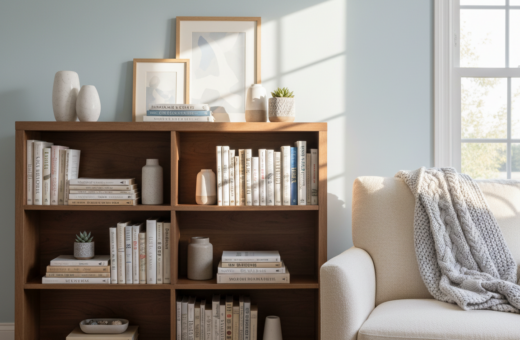
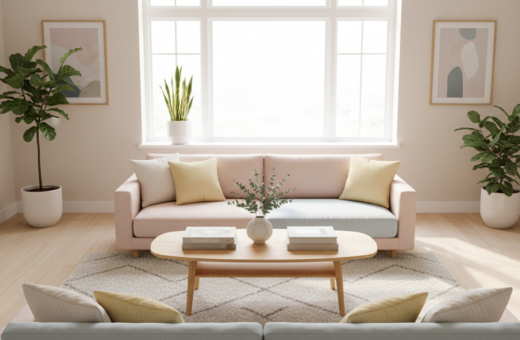
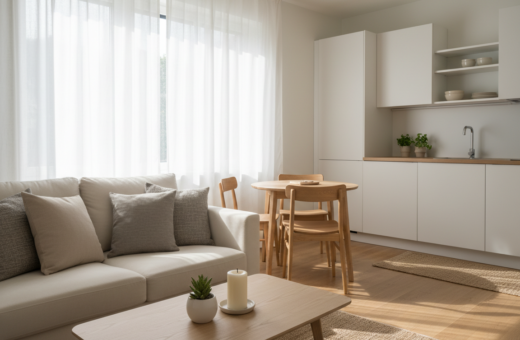
Japandi merges two design traditions into a single, calm approach. It pairs clear lines and purposeful pieces with gentle textures and natural tones. This hybrid makes any room feel tidy and inviting.
The goal is simplicity without coldness. Thoughtful choices shape usable space. Each piece serves a purpose and adds to the overall feel.
Professionals stress that quality materials and measured light turn minimal layouts into warm places. The fusion brings modern functionality and quiet beauty together.
Readers will learn practical tips to tune layout, materials, and color so a home gains both order and comfort. This short guide shows how japanese scandinavian influences create a refined, livable style that feels both grounded and fresh.
Understanding the Philosophy of Japandi Design
Japandi grew from a cultural exchange that reshaped how makers think about form and function. This philosophy values restraint, honest materials, and a calm aesthetic that makes rooms feel purposeful and livable.
Origins of the Hybrid Style
In the 1860s, William Carstensen brought Japanese aesthetics to Copenhagen, sparking a long dialogue between northern craft and eastern traditions.
Mihoko Iida notes that, from a Japanese view, this trend can feel like a Scandinavian take on traditional home life.
Defining Minimalism and Warmth
Designers like Brigette Romanek describe the movement as two minimalist approaches joined to create calm. It emphasizes clean lines, natural materials, and the beauty of imperfection.
“Japandi celebrates everyday beauty and a connection with nature through geometry and refined color,” — Colin King
- Origins tie back to Carstensen and early cross-cultural exchange.
- Principles mix wabi-sabi’s acceptance of imperfection with cozy hygge traits.
- Minimalism here means choosing elements that add functionality and depth.
Achieving Scandinavian Japanese Interior Balance in Your Home
Begin with quality furniture and let texture and light guide the room’s mood. Jeremiah Brent highlights craftsmanship, texture, balance, and serenity as core traits of the Japandi aesthetic.
Choose low-profile pieces that promote flow and openness. This keeps living areas uncluttered and boosts functionality.
Invest in durable items rather than chasing trends. Well-made tables, sofas, and storage extend the life of a room and support a refined design.
Pair warm textiles with simple forms to fuse cozy and disciplined elements. The fusion of soft layers and strict lines helps rooms feel curated yet lived-in.
“Focus on pieces that last and serve a purpose,” — Jeremiah Brent
- Prioritize function to maintain minimalism and calm.
- Favor low silhouettes to enhance flow across spaces.
- Let material quality do the stylistic work.
Applied well, this approach turns ordinary rooms into peaceful sanctuaries. The goal is a home where every item has intent and each area supports quiet, usable interiors.
Selecting Natural Materials and Textures
Wood grain, stone veins, and linen weave change how light and touch shape a room. These raw elements give a space warmth and credibility without fuss.
Integrating Organic Elements
Select natural materials that show texture and age. Solid wood and stone offer tactile contrast to clean lines in modern furniture.
Place a solid wood table with visible grain where it catches natural light. It becomes a focal point and a practical piece for daily life.
Use linen for curtains or upholstery to add softness and breathability. Linen layers well and improves the overall aesthetic of the home.
“Let raw elements do the heavy lifting: they make decor feel authentic and lasting.”
- Stone accents create a sense of permanence in living spaces.
- Choose furniture for material quality to ensure durability.
- Highlight textures with daylight to enrich the environment.
Focusing on real materials supports sustainable design and keeps spaces feeling timeless rather than trendy.
Curating a Neutral and Earthy Color Palette
Choosing the right range of earthy hues sets the stage for a cohesive, restful room. This approach supports the core design intent and the overall style without competing with key pieces.
Warm neutrals like beige, taupe, and off-white create a calm atmosphere. These neutral color choices let raw materials—wood, stone, and linen—take center stage in the room. They also keep the interiors feeling open and airy.
Introduce muted earth tones such as terracotta and olive to add depth. These tones prevent a space from feeling too sterile or monochrome. Small accents or an upholstered chair can give the room visual weight without loud contrast.
Apply one consistent palette across walls, furniture, and decor. Layer variations of the same neutral color and change textures to create interest. The result is a calm home where color supports quiet reflection.
- Start with three base shades and one deeper tone.
- Use varied textures to enhance subtle tones.
- Keep accents limited so the palette stays cohesive.
Applying Design Principles to Living Spaces
Thoughtful placement and material choice make everyday rooms feel curated and calm. Use consistent principles across bedrooms, living areas, and kitchens so the home reads as one cohesive environment.
Creating a Tranquil Bedroom
In the bedroom, favor low-profile furniture and linen bedding to promote restorative comfort. Limit decor to a few well-made pieces that add warmth without clutter.
Designing a Functional Living Room
Select seating that blends comfort and clean lines. Add textures like wool and wood to soften the space.
Consider the Noguchi Akari 75A ceiling lamp for soft light and the Weston Stool as a crafted accent that supports both form and function.
Optimizing Kitchen Flow
Use natural materials such as wood and stone for durable, beautiful work surfaces. Arrange zones so cooking, prep, and storage move intuitively from one to the next.
- Keep open spaces around major pieces to maintain an airy atmosphere.
- Choose each item for craftsmanship and purpose to unify style and comfort.
- Apply Japandi principles across rooms; this helps achieve harmony and a calm atmosphere.
For more practical tips on how to use these ideas throughout a home, use Japandi principles as a guide.
The Role of Craftsmanship and Intentional Living
Well-made pieces anchor a home, turning everyday routines into mindful rituals. Craftsmanship guides how a space looks and how people live in it.
Choosing furniture made from natural materials like wood and stone supports a design philosophy that values quality over quantity. These materials age with grace and add honest textures to rooms.
Intentional living in japandi style calls for fewer items that matter. Each item should offer function and subtle beauty, not just decorative noise.
Embracing imperfection in handmade pieces brings warmth and personal character to interiors. Small flaws tell the story of makers and give spaces a human touch.
“When people prioritize craftsmanship, they create homes that feel personal, grounded, and enduring.”
- Invest in durable pieces for long-term functionality.
- Use natural materials to enrich textures and tone.
- Curate items so every element serves a purpose in the spaces.
Following these principles transforms decor into meaningful design. The result is elegant, minimalism-driven rooms where quality enhances daily living.
Conclusion
This conclusion highlights how the japandi style is a quiet fusion of craft and calm that shapes everyday aesthetics and purposeful spaces.
By favoring good materials, intentional simplicity, and a closer tie to nature, a room achieves practical living and enduring beauty.
Applying these ideas to any project—one room or a whole remodel—keeps the aesthetic clear and guides smart interior design choices for the entire interior and each space.
Investing in craft and keeping surfaces uncluttered helps a home feel like a lasting refuge. Embrace this fusion and start curating a thoughtful, serene place to live.