Transformations focused on small changes that had big impact. She described how each swap opened up a tight space and gave every room room to breathe. Designers in 2023 favored moves that made a home feel more expansive without costly renovations.
Every square foot mattered. The strategy prioritized clever decor choices that improved flow in the living room and other key areas. Furniture placement guided traffic, while selective finishes created a cohesive feel across the space.
The result felt intentional rather than cluttered. Simple switches made the living area feel curated and more usable. Professional tips showed that arranging one room well improved the entire apartment’s rhythm.
In short: modest edits to color, scale, and layout transformed cramped quarters into a practical home with inviting space.
Embracing Light and Airy Apartment Ideas
Simple pattern choices and scale shifts gave the living area a unified, elevated feel. This section shows core principles that make a small living room read larger without drastic renovation.
Core Design Principles
Choose one unifying pattern. Implementing a single motif across walls, upholstery, and window coverings ties the room together. Designer Wendy Labrum used large-scale checks on multiple surfaces to create a cohesive look in a compact apartment.
Let each piece serve a purpose. In a small space, furniture must work hard. Select items that add function while keeping circulation open to make the entire space feel intentional.
Creating Visual Depth
Depth tricks change perception. Layering scale and repeating pattern at different planes — floor, wall, and textiles — helps a room feel deeper. That approach makes small living feel like a curated, professional design.
- Use one pattern to unify the living room area.
- Apply large-scale checks or a bold motif sparingly for cohesion.
- Keep floor paths clear so the room reads larger.
Painting Walls for Maximum Brightness
The right paint can reshape how a space reads. Paint choices set the stage: selecting a crisp white or soft neutral makes natural light travel farther. That creates a stronger space feel and helps a small room appear larger.
Gabriela Eisenhart of Silo Studios proved this in an Atlanta renovation. She replaced dark gray walls with white paint and paired them with light white oak floors. The result opened the living area and improved flow across the apartment.
- Use bright white or warm white to reflect daylight across walls and floor.
- Match trim to the main wall color for a seamless, expanded feel.
- Choose a durable paint finish for high-traffic living spaces.
“White paint and pale wood floors made the room feel more generous without major renovation.”
In short: painting is a cost-effective way to change scale. With the proper color and a complementary wood floor, a compact apartment can gain breathing room and brightness.
Selecting Furniture with a Low Profile
Choosing furniture with a low silhouette helps a small living room feel taller and more open. This approach shifts attention upward, making the ceiling read higher while keeping the floor visually clear.
Low-slung sofas and slim tables promote a freer flow through the room. A low sofa keeps seating comfortable without dominating the area. It also preserves sightlines across the living space.
Benefits of Low-Slung Pieces
Maximized floor space: fewer bulky frames mean more usable floor area for movement and rugs. That matters most in a small living room or compact apartment.
Balanced scale: designers such as Devin Kirk pick spindle chairs and square side tables so each piece supports the whole design without crowding it.
- Low seating creates an open line of sight across the room.
- A low-profile bed frame or sofa makes ceilings appear higher.
- Choose multipurpose furniture to boost functionality in every area.
“Low-slung seating is a simple trick that changes how a space feels.”
Utilizing Vertical Space for Storage
Stacking storage upward turned an awkward corner into one of the home’s smartest features. This storage solutions approach keeps floors clear while adding real capacity.
Sarah Tract maximized every corner of an NYC apartment by fitting a custom wall-to-wall dresser into a narrow nook. The piece frees floor area without taking up walking paths.
Building up, not out is a practical way to maximize space in tiny rooms. Expert Alexandra Gater recommends tall shelving and fitted units so a small room can hold more without feeling crowded.
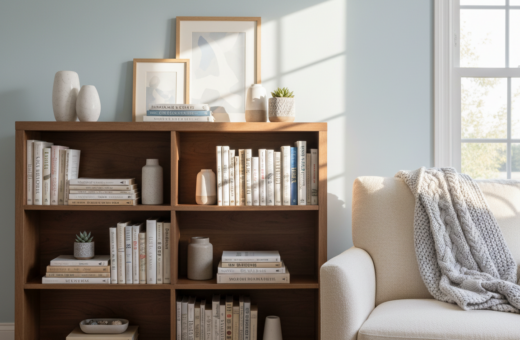
When walls hold items, residents can display art above a desk and preserve functionality below. Tall shelves store books, baskets, and seasonal gear while keeping the living area tidy.
- Use tall shelving to store vertically and free floor space.
- Install custom dressers in nooks to maximize corner room.
- Mix closed storage with open shelves for style and utility.
“Build up instead of out to make every inch count.”
Creating Intentional Room Division
Smart furniture placement lets each area feel purposeful in a compact home. Creating clear zones helps a small living room function like separate rooms without building walls.
Using Shelving Units
Open shelves do double duty. A Kallax shelf at the foot of a bed can read as a visual divider while offering storage. Alexandra Gater used this trick in a 150-square-foot space to suggest a bedroom without closing the room off.
Place the shelf so it backs a sofa or a bed. Top it with baskets, books, or a lamp to create a useful surface that also works as a dining or side table.
Renter-Friendly Curtains
Ceiling-mounted curtains are a flexible way to define sleeping or dining zones. They drop softly from the ceiling and can be opened when more space is needed.
- Use a shelf or narrow table near the curtain to add storage solutions.
- Combine low furniture with curtains to keep ceilings visible and make the room feel taller.
- Choose freestanding pieces so walls remain untouched by permanent fixes.
“Using furniture to create a divide is a clever way to add function without building walls.”
Incorporating Reflective Surfaces
Reflective surfaces reshape how a room reads, turning cramped corners into open vistas. Mirrors and polished finishes help a living room feel wider. They increase perceived depth without changing the layout.
Place a large mirror opposite a window so natural light can bounce across walls and textiles. That simple move brightens the living area and makes the space feel bigger.
Dan Mazzarini recommends unconventional layouts, such as floating a bed with a dresser behind it. This creates a sleeping nook while the dresser serves as a visual divider for the room and the apartment.
Metallic accents add polish. Chrome legs on tables or brass hardware reflect subtle highlights that reduce visual weight. These small touches help a small dining area or living room seem less confined.
- Use a mirror to double a view and expand the space.
- Hang mirrors on walls at eye level for best effect.
- Choose metal finishes to add depth without bulk.
“Floating furniture can segment a small apartment while keeping sightlines open.”
Choosing Sheer Window Treatments
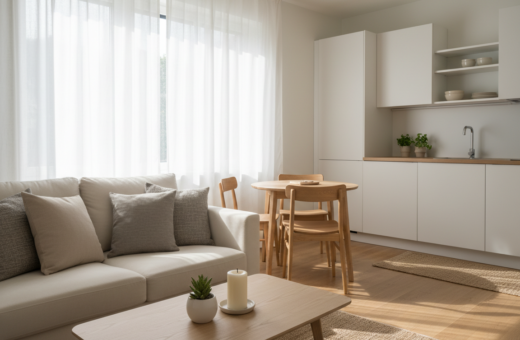
Sheer curtains let natural sun wash across surfaces, helping a compact space feel wider and more inviting.
Choose translucent fabrics to let daylight penetrate while keeping privacy. Sheer panels keep the room bright without exposing the interior to passersby, which is ideal in a city apartment.
Hang the rod a few inches below the ceiling to draw the eye up. That simple trick makes windows read taller and makes the overall living area feel grander.
Avoid heavy drapes that block views and make a room feel boxed in. Lighter tones create a seamless link between the wall and the ceiling for a cohesive finish.
- Sheer fabric floods the space with diffuse sun without glare.
- High-mounted rods create the impression of taller windows.
- Light-colored panels tie the room together while preserving privacy.
“Sheer treatments expanded visual volume without structural change.”
Implementing Multifunctional Decor
When every square foot matters, select furniture that works harder without overwhelming the room. Multifunctional decor makes a small living room feel organized while keeping form and function balanced.
Daybeds for Dual Use
Daybeds act as a sofa by day and a guest bed at night. They free floor space while giving flexible seating for a living area or a compact dining moment.
Storage Ottomans
Storage ottomans provide hidden compartments that replace a bulky coffee table. A single piece can store throws, board games, or extra pillows and still serve as extra seating for guests.
Hidden Compartments
Use furniture with secret drawers or lift-up tops to keep clutter off the table and floor. Nicholas Obeid repurposed a vintage cabinet in his Chelsea apartment to display sneakers while doubling as a bar. That is a smart way to mix storage with style.
- Save space: pick pieces that combine seating, storage, and surface area.
- Keep the wall clear: avoid bulky units so sightlines stay open across the living room.
- Maximize function: choose a sofa or daybed with built-in storage to boost daily usability.
Keeping Floor Space Clear
A tidy floor plan gives a small living room real functional freedom for guests.
Keeping floor space clear is the most effective way to make a living room feel larger. Michael Chen of MKCA designed a paneled Murphy bed that folds away to double the floor area in a compact apartment. That move freed the center of the room for traffic and seating.
Use wall-mounted storage and slim shelves to keep bulky furniture off the floor. A narrow wall unit replaces a heavy table or bulky frame while adding storage without crowding the space.
- Plan the layout: leave clear paths so guests can move through the space.
- Choose multipurpose pieces: a storage table or ottoman replaces a coffee table and stores extras.
- Float a low sofa: this keeps sightlines open and makes the room feel taller.
“Clear floors change a compact living area into usable, welcoming space.”
Adding Greenery for Vitality
A few well-placed plants can revive a small room and change how the entire space feels. Placing a tall specimen near a sofa or on a wooden side table creates vertical interest without bulky furniture. This move brightens the living area and gives the space an immediate sense of life.
Plants also soften edges. A trailing vine on a shelf or a potted palm by a floor lamp reduces visual weight and makes seating zones feel cozier. Greenery doubles as subtle decor while keeping storage needs minimal.
Use plants on a narrow table to add color above a low cabinet or to anchor a corner beside a dining table. Choose specimens that fit the room’s light conditions so they stay healthy and contribute to the room’s mood.
- Pick scale wisely: match plant height to furniture.
- Group pots: create a mini-display without crowding the floor.
- Use wood stands: they tie plants to the overall decor and floor finishes.
“A healthy plant elevates a living area more than extra decor ever could.”
Using Cohesive Color Palettes
A unified palette ties separate corners into a single, calm living area. This approach helps a small living room feel larger by removing abrupt shifts in hue that break sightlines.
Designer Rodney Lawrence wrapped a thin strip of paneling around a compact room to bridge zones in a tight apartment. That narrow band of matching paint created a continuous visual line across wall surfaces and furniture faces.
By matching a sofa and side table to the main wall tone, occupants reduce visual clutter. The result is a refined room where storage, seating, and surfaces read as one planned space rather than separate pieces.
Consistency is a practical design strategy. A coherent color scheme ensures each area flows into the next and gives the living space a curated, professional feel.
Introduce natural wood accents to add texture and warmth without excess decoration. Small wood tops, a slim table, or simple trim bring tactile contrast while keeping the room serene.
“A consistent palette makes separate zones behave like parts of a single plan.”
Installing Strategic Wall Lighting
Mounting fixtures on the wall frees the floor and sharpens a room’s silhouette. Devin Kirk installed sconces in a seating area to keep the living room floor clear of bulky lamps. This choice left side tables free for storage, books, or a favorite piece of art.
Wall-mounted lighting draws the eye upward toward the ceiling. That subtle shift makes the space feel taller and the room read as more open. Proper placement also highlights color on walls without adding visual weight from extra furniture.
Using sconces near a sofa saves surface area and creates a cozy reading nook without crowding the living area. Wall fixtures can replace table lamps where storage is limited, giving residents more room for essentials.
- Clear floors: replace floor lamps with sconces to free pathways.
- Focus height: aim fixtures high enough to lift the eye toward the ceiling.
- Flexible mood: choose dimmable lighting to change color and warmth across the area.
“Wall lighting keeps seating zones uncluttered while adding depth to the room.”
Maximizing Natural Light Flow
When sunlight travels unblocked across a room, the entire living area reads larger and more intentional. This is the quickest way to change how a living room feels without major renovation.
Keep the window area clear. Heavy furniture near a window stops light from reaching the top of a wall and the ceiling. Move low-profile pieces so sun can sweep across corners and brighten the space.
A smart layout places seating where it benefits from sun while leaving primary paths open. That way, the eye follows beams of daylight across the room and the whole area feels expanded.
Evening use calls for layered lighting that complements natural flow. Combine dimmable wall fixtures with soft overhead lighting so the living room maintains consistent brightness when the sun sets.
- Clear windows to let daylight reach the top of the wall.
- Arrange furniture to keep main sightlines open across the space.
- Use complementary lighting to preserve the room’s brightness after dusk.
“When light moves freely through a layout, a small living room reads like a much larger, more cohesive space.”
Managing Clutter for Visual Openness
Clearing visible clutter is the single most effective move to make a small room feel calm and generous. Start by removing items that do not serve a daily function. A pared-down layout gives the eye room to travel and makes storage choices more obvious.
Limit wall art to a few well-chosen pieces. Too many frames crowd a wall and fragment the living space. One or two focal works create a clear visual anchor and make the rest of the room read as intentional.
Let natural light move freely from the window. Keep surfaces clear so sunlight and lighting fixtures can brighten the entire space. That simple step boosts perceived scale without extra decor.
Use soft color palettes on walls and textiles to hide minor mess and calm the scene. Regularly clear corner zones so the room stays functional and appears larger than its square footage suggests.
- Store often-used items in baskets or closed cabinets to keep surfaces tidy.
- Choose one or two art pieces rather than a gallery wall for a compact living area.
- Arrange furniture to preserve clear paths and let light reach deeper into the space.
“A clean layout and selective decor make a small living room feel expansive and restful.”
Experimenting with Unconventional Layouts
Breaking conventional alignment lets a compact living room breathe in unexpected ways. Small shifts in position reveal unused floor space and change how people move through the room.
Move the sofa away from the wall to create a central seating cluster. This simple design trick opens sightlines and makes the small living room look larger.
Unconventional layouts help create distinct zones for work, dining, and lounging. When zones are clear, the space feel becomes more organized and purposeful.
Designers often say a unique layout makes a small space feel custom. Trying a new arrangement can improve the room feel quickly, without major expense.
- Float furniture to free floor space and define paths.
- Use rugs or narrow shelving to mark separate functional areas.
- Test one change at a time to see how the look adapts.
“A fresh layout can transform how a living room functions and how it feels.”
Conclusion
A few targeted edits—new paint, pared furniture, taller shelves—reshaped the whole home without construction. These moves made daily routines easier while improving flow in a small living footprint.
Focus on purpose: choose pieces that work harder, pick a coherent color palette, and place storage where it frees the floor. This keeps sightlines open and makes rooms read larger.
Try one change at a time. Test layouts, swap finishes, then live with the result. Over time, these simple swaps turn a compact space into a more welcoming home for residents and guests alike.