Small changes can make a big difference when living in a compact space. Alex Bass, founder of Salon 21, stresses that small-space living needs practical choices to avoid clutter. RentCafe reports the average new studio was 457 square feet in 2024, so every item must earn its place.
The right approach starts with being decisive about art and decor. Choosing one strong plan for color, wallpaper, and a well-placed mirror helps a room feel larger and more cohesive.
Prioritizing purpose in buying shifts a living area from chaotic to curated. By using thoughtful tones and quality pieces, people find their style refines naturally.
This short guide offers practical tips on design choices for small apartments and ideas for decorating tight spaces. It shows how stopping impulse buys leads to a clearer interior and a home that truly feels like one.
The Philosophy of Intentional Apartment Decor
A thoughtful home style grows from deliberate choices about function and form. This approach treats every item as a utility or a statement. It makes small living areas feel calm and well planned.
Defining Intentionality
Intentional apartment decor means picking pieces that serve a purpose or add clear aesthetic value. It is not about minimalism alone; it’s about making each color, texture, and object count.
The Benefits of a Curated Home
A curated home creates cohesion across the interior. Limiting your palette to specific colors builds harmony. That harmony makes even a compact apartment feel elevated.
- Less clutter: Fewer impulse buys means more room to breathe.
- Stronger style: Consistent colors and finishes tie the design together.
- Better choices: Each purchase reflects personal taste and function.
Breaking the Cycle of Impulse Purchases
Recognizing what a space truly needs is the first step to smarter shopping.
They should treat the living room as a working area, not a catchall for things that add clutter. When people act from a plan, purchases serve the daily routine and the overall interior.
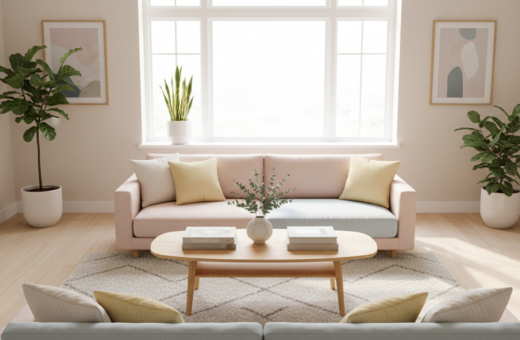
Drew Michael Scott of Lone Fox recommends a large rug to anchor the floor and carve out dining and sleeping zones in a studio. A well-placed rug helps separate functions without walls.
Before buying a sofa or any big piece, measure and map where it will live. Skipping that step often leads to overcrowded rooms and furniture that doesn’t fit the flow.
- Decide what each room must do before shopping.
- Avoid items that don’t support daily habits.
- Curate ideas first so each purchase strengthens the aesthetic.
“Large rugs can define zones and make small spaces feel cohesive.”
For practical tips on avoiding impulse buys, read this guide on how to shop with more care: how to avoid impulse buys.
Why You Should Stop Buying Matching Furniture Sets
A home feels lived-in when furniture is collected, not bought as a bundle. Matching sets often make an apartment look like a showroom rather than a place with history.
Mixing Old and New Pieces
Choose a vintage wood table or a midcentury metal chair to add personality. A single statement piece against a blank wall becomes a focal point that changes the entire look. This approach lets each piece earn its place.
Designers warn against lining every item along the walls. Pulling a bed or a sofa slightly into the room creates flow and makes the space feel larger.
- Character: Individual furniture items add warmth a matching set cannot.
- Balance: Mixing wood and metal gives a layered style.
- Intentional focus: One bold piece draws the eye and defines the room.
“Select pieces you love; a curated mix reads like a personal collection.”
Rethinking Decorative Knick-Knacks and Clutter
Reducing surface clutter lets the color and texture of a space breathe. Too many small things on a coffee table break the visual flow and distract from the overall design.
They should treat the coffee surface as both a functional spot and a stage. Limit items to a single tray, one small book, and one plant or candle.
Designers advise keeping walls clear of excess pieces so the room feels open. A clean wall lets a chosen artwork or mirror stand out rather than compete with dozens of small frames.
If there is a favorite item, give it a dedicated shelf or wall spot. That elevates the piece and removes the need to hide it among other knick-knacks.
- Less clutter: Fewer items make the interior feel calm.
- More function: The coffee surface remains usable for daily life.
- Stronger style: One or two curated pieces read clearer than many small things.
Moving Away from Fast Furniture Trends
A sustainable home starts when purchases favor lasting value over fleeting style. Fast furniture and disposable decor save money at checkout but often add waste and clutter later.
Susan Klimala of TKS Design Group recommends choosing pieces that blend form with function. A quality bed or a multiuse table can free up floor space and deliver lasting comfort.
Durable materials matter: solid wood and powder-coated metal resist daily wear. A well-made sofa or a thoughtful art piece improves the long-term look of a room and raises the interior’s overall value.
Temporary wallpaper is an easy tip for changing color and pattern on walls without damage. It updates a space quickly and keeps the plan flexible for future moves.
- Invest in fewer, better pieces that serve multiple roles.
- Prioritize materials that hold up on the floor and under use.
- Use removable wallpaper to refresh walls without commitment.
“Buy less, choose well, and let each piece pull the room together.”
Prioritizing Quality Over Quantity in Your Living Space
Fewer, well-chosen items change how a room feels more than dozens of cheap buys.
Prioritizing quality over quantity creates a home that feels luxurious even when the apartment is small. Selecting fewer, higher-quality furniture pieces reduces visual clutter and sharpens the overall design.
Invest in foundation pieces: a sturdy sofa, a solid dining set, and a versatile table. These items last longer and keep the living area functional and beautiful.
- Choose materials that age well to avoid frequent replacements.
- Pick pieces that serve more than one purpose for small interiors.
- Keep a tight color palette so each object contributes to the whole.
A curated space is defined by items that bring joy and serve clear daily needs. By focusing on quality, the apartment becomes a sanctuary that supports a sustainable, well-designed life.
“Buy less; choose better.”
The Impact of Strategic Lighting Choices
Thoughtful lighting can transform a compact living area into a layered, purposeful interior. Good light helps define mood and guides the eye toward what matters most in a room.
Layering Light for Mood
Darci Hether, an NYC-based designer, says layering light with floor lamps, sconces, and table lamps creates depth and makes a small space feel larger.
Use multiple sources instead of relying on a single overhead fixture. Combine warm lamps to highlight a favorite rug or a seating corner in the living room.
Strategic lighting choices also hide less tidy areas. Place softer light near storage zones and brighter accents on art or key furniture.
- Layer lamps and sconces for varied moods.
- Highlight a rug or focal area with targeted fixtures.
- Use placement to draw attention and obscure clutter.
“Layering light can visually expand a room and create a professional, lived-in feel.”
Embracing Vertical Space Instead of Floor Fillers
Raising the eye line with shelves or tall fixtures makes a small apartment feel taller and more purposeful.
Embracing vertical space keeps the floor clear and preserves flow in a tight room. Szandra Toth of Cl-oth notes that adding height to an open plan instantly changes how the space functions.
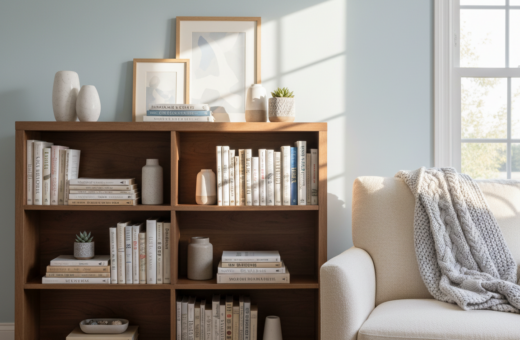
Use tall shelving, wall cabinets, or hanging storage to draw the gaze upward. These solutions add storage without crowding the floor, and they improve the overall design by creating layers on the walls.
Swap a bulky coffee table for a slim console or a wall-mounted shelf to free up circulation. That gives room for a comfortable sofa or essential furniture while keeping the floor visually open.
- Maximize storage: tall shelves store books and gear without floor clutter.
- Open flow: wall-mounted pieces free up walking routes and clear sightlines.
- Flexible style: floating shelves and slim tables offer neat, modern ideas for small spaces.
“Adding height to an open plan layout instantly changes the room and makes it feel more functional.”
Selecting Textiles That Serve a Purpose
Choosing textiles with purpose turns everyday fabrics into practical design tools.
Start with durable basics: a heavy wool rug can anchor the room and protect floors. A linen throw for the sofa adds warmth and holds up to daily use.
A well-chosen bed cover or table runner protects surfaces and introduces layered texture. These pieces make the space feel cozy while guarding furniture from wear.
Focus on function first. When textiles earn their place, they avoid being decorative-only buys that add clutter. Each piece should solve a problem or improve comfort.
- Durability: pick fabrics that resist stains and wash well.
- Multiuse: choose throws and runners that work across rooms.
- Texture balance: mix smooth and nubby fabrics to add depth without clutter.
“Select textiles that protect and perform; beauty then becomes a beneficial side effect.”
Curating Art That Reflects Personal Style
Choosing meaningful wall art pulls the whole room together and signals what matters most to the resident.
Start with color. Select pieces that echo the room’s palette so art and wallpaper feel linked. A bold print over a subtle temporary wallpaper creates depth and a clear focal point.
A well-placed mirror can act as art. It reflects light, opens a small space, and adds dimension while matching the chosen colors and style.
Keep selections intentional: one large statement piece or a tidy gallery keeps walls from feeling cluttered. Each item should contribute to the interior’s story.
- Align color and scale: pick sizes that suit the wall and room proportions.
- Use wallpaper strategically: a patterned backdrop highlights favorite pieces.
- Let mirrors multitask: they serve function and form at once.
“By carefully selecting every item on your wall, the home becomes a cohesive reflection of unique taste.”
Designing for Flow and Functionality
Arrange furniture so movement feels natural and the room breathes. This simple approach makes a small apartment work better and feel larger.
Ellie Yun of Studio Yun recommends placing a dining table or sofa near a window to capture natural light. That one choice brightens the living room and helps zones read clearly.
Every piece of furniture, from a bed to a coffee table, should earn its place by improving how the space functions. Keep the floor clear and the walls relatively simple to preserve openness.
- Plan first: map paths so doors and sightlines stay open.
- Choose multiuse pieces: a table that doubles as work or dining saves room.
- Mix materials: wood and metal accents add interest without clutter.
- Use light: place seating where natural light enhances the look.
With a clear plan, small spaces become custom-feeling homes. For more on making deliberate design choices, see intentional home design.
“Design for movement first; style will follow.”
Conclusion: Embracing a More Intentional Home
Simple rules—buy less, choose better, place with purpose—turn a room into a restful retreat. This approach reshapes a space so daily life becomes clearer and calmer.
Focus on lighting and meaningful art to guide the eye and support everyday habits. Good fixtures and a single statement piece lift the whole design without adding clutter.
A home that favors quality over quantity rewards living and style. Each choice should improve function and harmony, so the space feels like a peaceful, inspiring sanctuary in the city.