Design can change how a space feels, even when windows are few. Many homeowners wonder if a japandi decor low light apartment can still feel airy and welcoming. Real projects show it is possible.
Studio Right Angle in Singapore and Brooke Aitken in San Francisco used clear lines and thoughtful finishes to turn dim rooms into calm living areas. I.M. Pei’s Kips Bay Towers now pair updated interiors with a refined aesthetic that still reads as warm and open.
By focusing on intentional choices — material, scale, and contrast — a small space can feel larger. Designers like Róisín Lafferty and Jan Žaloudek demonstrate how a modest footprint becomes a serene home.
This section outlines how to balance shadow and brightness and make each room feel like a sanctuary rather than a cramped living area. Readers will learn practical moves to bring a greater sense of openness to their interior.
Understanding the Japandi Philosophy in Dim Spaces
Careful material choices and measured partitions make a darker space feel composed and airy. This approach values restraint and utility, so each element earns its place in the room.
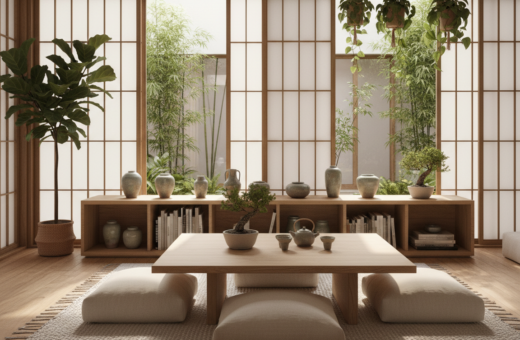
The aesthetic centers on quiet, understated surfaces that calm the senses. Studio Right Angle’s sliding ash wood screens show how simple screens can divide a plan without blocking movement or reducing the flow of light.
Core ideas to apply:
- Create a living room that feels refined yet comfortable for everyday life.
- Use sliding screens or subtle dividers to manage space while keeping each room open.
- Prioritize minimalist design so the home reads as a peaceful refuge from busy streets.
- Plan the living room layout to preserve movement and maximize the available light.
- Embrace wabi-sabi: find beauty in simple, imperfect surfaces to build a lasting sense of harmony.
Achieving balance comes down to selecting only essential, meaningful pieces. This disciplined design lets small spaces feel calm, intentional, and suited to daily living in a compact apartment.
Mastering Japandi Decor Low Light Apartment Design
Purposeful negative space gives the eye a place to rest, which amplifies every material and piece in a muted room.
The Role of Negative Space
Negative space works as an active design element. It separates furniture and lets the room breathe. In compact living room plans, empty areas make a small room feel larger and clearer.
Brooke Aitken kept original cinder-block walls in her San Francisco studio to preserve character. She also added linenlike vinyl on the walls to introduce texture and warmth without adding clutter.
Balancing Minimalism and Coziness
Choose pieces with clean lines and honest materials — wood tables, a simple sofa, and a few functional elements. Limit objects so each piece serves a purpose.
- Prioritize natural materials and soft shades to build warmth.
- Use textures like linen and stone to add depth without crowding the room.
- Let the eye rest through uncluttered walls and purposeful spacing.
For practical guidance, see these design tips that outline how to balance minimalism and comfort in small interiors.
Optimizing Layouts for Better Flow
Small shifts in furniture placement can open sightlines and let existing windows do more work for the entire floorplan. This quick change creates a stronger sense of flow from the living room to the dining area.
Design teams like Uli Wagner Design Lab use fluted ceiling panels to define zones without erecting walls. In a Manhattan project, multiple aluminum windows were also placed to increase how much light reaches each room.
“Define zones with subtle ceilings or floor changes so the eye travels freely and the home feels cohesive.”
- Choose low-profile furniture to preserve clean lines and maintain sightlines across spaces.
- Unify zones with natural materials and neutral tones so the environment reads as one home.
- Place each piece, from the sofa to the coffee table, to support natural movement and functionality.
Avoiding clutter is essential. Keep choices purposeful and favor simple textures like linen and wood to add warmth without crowding the living room. These moves improve circulation and enhance the overall atmosphere.
Selecting the Right Color Palette for Warmth
Choosing warm undertones matters when a darker room needs a cozy character. Subtle shifts in hue can soften shadows and give a living room a layered, inviting atmosphere.
Choosing Warm Undertones
Start with a neutral base and add gentle accents. Róisín Lafferty used soft greens, blues, and taupes over a calm foundation to make a home feel cohesive and restful.
Warm undertones in paint change the mood of walls and textiles. They prevent an interior from feeling sterile and help every piece of furniture read as intentional.
- Layer natural materials — linen and wood bring texture without clutter.
- Limit the palette to a few complementary colors to keep minimalism intact.
- Use reflective surfaces or glass walls to bounce available light and enlarge small spaces.
When each color and material supports the same philosophy, the room gains a clear sense of warmth. This approach makes compact living feel structured, calm, and purposeful.
Incorporating Natural Materials and Textures
Wood, clay, and woven textiles turn muted interiors into warm, tactile environments. Using natural materials helps a room feel intentional and grounded, even when windows are few.
The Importance of Wood Tones
Wood tones act as an anchor. They connect the home to nature and bring warmth to walls and floors.
Choose medium tones that read well against neutral paint and let furniture stand out without shouting.
Layering Textiles
Layering linen and wool softens acoustics and adds comfort to the living room. Throws, rugs, and seat covers create depth and subtle contrast.
Keep patterns minimal to preserve simplicity and ensure each piece feels purposeful.
Using Ceramics
Handmade ceramics add authenticity and calm. Small vases or a table bowl introduce tactile color and simple form.
- Use natural materials to add depth and tactile warmth to interiors.
- Jan Žaloudek’s masonry punctures create shifting shadows that enrich atmosphere.
- Layer textiles to make a living room feel comfortable and composed.
For practical ideas on applying this approach, see a concise guide to japandi style guidance that complements these material choices.
Strategic Lighting Techniques for Dark Interiors
A carefully planned lighting scheme turns shadowed corners into deliberate moments of texture and color. In practice, designers layer sources so the room reads in stages. This approach amplifies any natural light a space receives and makes evenings feel warm.
Start with a palette that helps reflect light. OWIU painted surfaces in terra-cotta and beige to echo the Los Angeles landscape. Those tones, paired with Venetian plaster in the foyer, let texture and color work with the lighting to enrich the walls.
Use mirrors to bounce natural light deeper into the apartment. Add floor lamps for ambient glow and task fixtures near seating and furniture. Small accents, like warm-hued bulbs or wood shades, increase perceived depth and warmth.
- Layer ambient, task, and accent lighting for a balanced interior.
- Position reflective elements to extend natural light across the room.
- Choose finishes and colors that support your lighting plan.
With a clear strategy, the living room becomes functional and inviting all day. For practical layout ideas, review this concise guide on planning lighting and materials.
Curating Minimalist Furniture for Small Rooms
Well-chosen furniture anchors a small living room and makes circulation feel effortless.
Simplicity begins with selecting pieces that do more than look good. Choose items that combine comfort, function, and honest materials so the room remains calm and orderly.
Benefits of Low Profile Pieces
Low-profile furniture keeps sightlines open and helps a compact space feel larger. A shallow sofa or slim console preserves the flow between zones without crowding the interior.
Design work by Lucas in La Quinta shows how tactile fabrics and rich colors — emerald and navy with bronze accents — can still read restrained when paired with simple forms. Those textures add depth while keeping the overall palette controlled.
- Select furniture with clean lines and natural materials to add visual depth without weight.
- Prioritize multifunctional pieces so every choice supports daily life in a small apartment.
- Invest in quality items to ensure the living room stays timeless and comfortable.
When every piece earns its place, the space reads as intentional. The result is an organized, inviting room that balances beauty and utility.
Enhancing Entryways with Functional Simplicity
A simple, well-planned entry sets the tone for the whole home and signals calm before the door fully opens. It acts as a transitional space that prepares the eye and the body for the living areas beyond.
Tom Lawrence-Levy’s London project shows how organic shapes and soft curves keep energy flowing through tight plans. Curved benches or a rounded console move the visitor smoothly into the rest of the living environment.
Practical storage at the door keeps everyday items from spilling into the living room. A shallow cabinet or hooked rail stores keys, coats, and shoes without crowding sightlines.
- Use natural materials to link the threshold with the rest of the home.
- Keep furniture pared back so the area reads as calm and useful.
- Position a mirror or pale finish to bounce light and enlarge the space.
Even in a small apartment, the entry can look intentional and work hard. A sparse, organized approach keeps the living room uncluttered and preserves a steady sense of calm throughout the home.
Creating a Serene Bedroom Sanctuary
A bedroom designed as a quiet refuge helps the body reset and the mind rest each night.
Intentional simplicity matters in a compact space. Andrea Rodman’s Victoria home pairs a white palette with oak tones so the room reads airy and calm. Natural stone and rattan add texture that connects the interior to the outside.
Keep bedroom furniture minimal so each piece serves comfort and storage. A pared-down bed frame, a single bedside table, and soft layered textiles make the room feel uncluttered and restful.
Separate the sleeping area from more active living zones. Use subtle partitions or rugs to mark the private space without blocking flow. This helps the bedroom act as a true retreat after a busy day.
- Use neutral colors and soft textures to support sleep and calm.
- Choose durable natural materials that age with warmth.
- Limit decor and keep surfaces clear to preserve a steady sense of peace.
Utilizing Biophilic Elements to Bring Life Indoors
Bringing living greenery indoors softens rigid lines and adds instant warmth to compact interiors. Plants introduce texture that pairs well with simple furniture and honest materials.
Choose species that thrive with minimal sun. Snake plants, pothos, and ZZ plants tolerate shade and need little fuss. Group them near seating to make the area feel intentional and calm.
Place each plant with purpose. A single tall specimen can anchor a corner. Small potted plants soften tabletops and shelves without creating clutter.
- Match pot textures to the room’s palette for cohesion.
- Use varied heights to add depth without crowding circulation.
- Keep soil and planters tidy so greenery reads as curated, not chaotic.
Biophilic design also reduces stress and improves mood. When paired with a thoughtful layout and a plan for natural light, living plants make compact homes feel healthier and more vital.
Conclusion
A restrained, systems-based approach—with clear silhouettes, steady materials, and layered lamps—helps a dark home feel composed and welcoming.
By choosing minimalist furniture, natural materials, and a consistent palette, a compact plan will read as calm rather than crowded. Negative space becomes an asset; it gives the eye room to rest and highlights each chosen piece.
Embrace wabi-sabi to accept imperfections and add warmth through texture. With deliberate edits and thoughtful lighting, any small residence can become a serene, functional sanctuary that feels larger than its footprint.