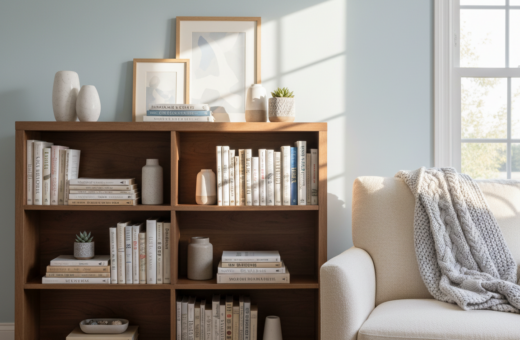
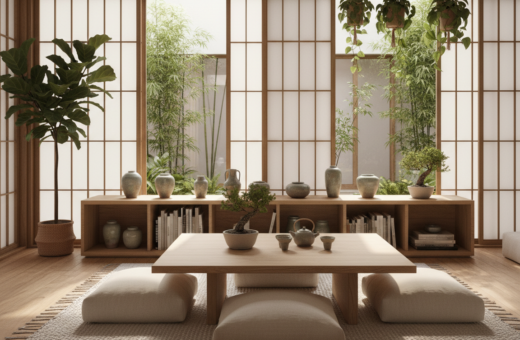
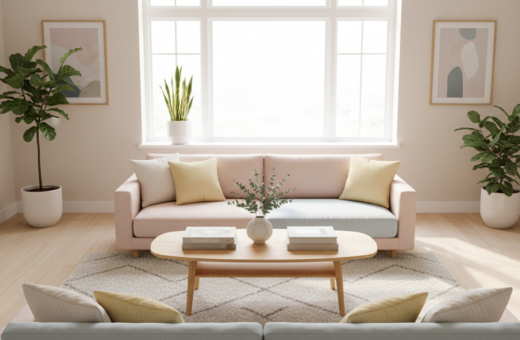
A Stockholm flat shows how a blend of Scandinavian clarity and Japanese minimalism can shape a serene space. The example proves one can craft a warm, functional home without changing walls.
They focus on natural materials, neutral tones and smart furniture choices. Small textile swaps like linen throws and wood accents bring texture and warmth.
Light plays a key role: natural light and simple lighting design enhance textures and make every piece feel intentional. A modest sofa and a few well-chosen elements keep the interior calm and practical.
With careful planning and digital tools, anyone can visualize a professional result in under a minute before buying. This approach keeps the environment tidy, stylish, and fully reversible for renters.
Defining the Japandi Living Room Rental Apartment Aesthetic
It combines calm minimalism with functional warmth to shape a serene, usable space. The approach pairs clean lines and quiet color with tactile finishes. One goal is to make every square foot feel intentional and uncluttered.
Core principles emphasize quality over quantity. Simple furniture, muted tones, and well-chosen accents let textures and natural light take center stage.
- Merge Japanese restraint and Scandinavian practicality to create a warm home space.
- Prioritize natural materials that gain character over time and add subtle warmth.
- Use intentional design choices so the room appears open and airy without excess.
Experts note that this style makes an apartment feel like a permanent, cared-for interior. For a deeper look at how designers blend these influences, see japandi interior design styles.
Optimizing Floor Plans for Better Flow
Good flow depends on simple rules: keep paths clear and group items by purpose. This approach helps a small room feel more open and calm. It also supports a cohesive design across connected spaces.
Creating clear zones
Define a seating area, a reading nook, and a small workspace so each place has a clear purpose. Use rugs, low shelving, or a coffee table to anchor each zone.
Maintaining natural pathways
Prioritize movement. Arrange furniture so people can move from one area to another without detours. Keep at least one main path two to three feet wide.
- Keep floor space near doors and windows clear to let light and circulation flow.
- Let the coffee table act as a central element, not extra clutter.
- Choose fewer, purposeful pieces so the entire area reads as calm and intentional.
Selecting Low Profile Furniture for Visual Height
Choose furniture that keeps sightlines low and horizontal to make the space feel taller and calmer. Low pieces draw the eye across the floor plane and open up vertical space without changing walls.
Start with scale. A sofa with roughly a 30-inch deep seat creates a quiet silhouette that complements minimalism and modern interiors. Platform beds under 16 inches reinforce the same grounded proportions in connected spaces.
Choosing the right sofa silhouette
Look for a simple, low frame that does not overpower other elements. Wool upholstery or natural materials add texture and warmth while keeping the palette calm.
- Horizontal focus: low sofas and a slim coffee table make the room feel wider.
- Proportion: keep major pieces close to the floor to boost perceived height.
- Material choice: wool and wood pieces balance comfort and simplicity.
By selecting restrained furniture, the home reads as intentional. This style supports practical use and a calm, cohesive design across small spaces.
Enhancing Walls Without Permanent Paint
Vertical wood details create a quiet focal point that complements neutral interiors. Use slim wood slats or panels on a single wall to add texture and depth without painting. This approach keeps the original finish intact and raises the overall design quality of the space.
Natural materials work well as a backdrop because they pair with simple furniture and muted tones. Vertical paneling can also conceal cupboards or storage, making the room feel tidier and more intentional.
- Texture and depth: wood slats turn a plain wall into a refined feature.
- Practical concealment: panels hide storage while preserving flow in a small living space.
- Subtle finishes: matte treatments support japandi style and calm interiors without competing with furnishings.
A single wood wall brings warmth and cohesion. It creates a neutral frame that highlights curated pieces and keeps the interior style calm and elevated.
Establishing a Calming Color Palette
Begin with base tones that support natural materials, then add subtle, warm accents. A clear, limited palette makes the space feel cohesive and easy to maintain.
Balancing neutral tones
Start with two neutrals: one for large surfaces and one for textiles. Neutral walls and floors act as a quiet backdrop for furniture and texture.
Introduce an earthy tone—sage, sand, or warm clay—through small details to add depth without overwhelming the interior.
Avoiding color clutter
Limit the palette to three or four core shades. This prevents the room from feeling like a collection of mismatched pieces.
- Keep walls neutral so materials take center stage.
- Match curtains and upholstery to unify the space.
- Use accents sparingly: one warm tone and one cool tone at most.
“A cohesive color scheme is the foundation of calm interiors; it stops visual clutter and highlights thoughtful design.”
Incorporating Natural Materials and Textures
Wood, wool, and linen form the sensory core that makes a space feel both cozy and quiet. These natural materials dampen sound, add visual depth, and bring lasting warmth to any design.
Choose each piece for material quality. A well-made sofa or a simple side table in oak adds character. Wool rugs and linen curtains create soft acoustics and a tactile, layered feel.
Layer textures to enrich the interiors without cluttering the room. Let a timber coffee table sit beside a low-profile sofa and a textured throw. This approach keeps the place calm and functional.
- Use wool rugs for sound control and comfort.
- Pick linen curtains to filter light and soften echoes.
- Favor solid wood furniture that ages gracefully.
- Mix smooth and nubbly textures to define zones.
These elements support a refined japandi style while keeping the apartment practical and sustainable.
Layering Lighting for Atmosphere
Soft, layered lighting shapes how every surface and material reads across the space. Good lighting makes the living room feel calm and practiced. It also supports everyday use without fuss.
Layering light sources
Combine a diffused overhead light with focused fixtures to create depth. Black wall lamps add contrast and serve as handy task points.
Use a large white floor lamp to introduce mood light that warms wood and textiles.
Using task lighting
Place a wall lamp or a low table lamp by the sofa for reading and close work. This keeps the living area functional and avoids bright, uniform glare.
Diffusing overhead light
Soften ceiling fixtures with frosted shades or dimmers to remove harsh shadows. Designers often use layered light to define zones and improve the way people move through the room.
- Tip: mix direct and diffuse sources to balance atmosphere and functionality.
- Tip: position lamps to highlight natural materials and key furniture pieces.
Strategic Use of Mirrors and Reflective Surfaces
A well-placed mirror can act like a second window, pulling light deeper into the space. An arched floor mirror works especially well at golden hour, bouncing warm sunlight into corners that otherwise stay dim.
Place mirrors opposite a window to distribute natural light and brighten the entire room. This simple move creates a larger visual plane without adding furniture or clutter.
Reflective materials also extend sightlines. A mirror on a feature wall captures and amplifies light while highlighting textures and materials already in the interior.
- Brightness: mirrors spread daylight and improve the overall atmosphere.
- Space enhancement: reflective surfaces make compact areas feel more open.
- Design balance: pair mirrors with soft lighting to avoid glare and keep the mood calm.
Designers often recommend mirrors as a low-effort, high-impact lighting strategy. With thoughtful placement, they lift the atmosphere and make small spaces read as airy and composed.
Integrating Functional Storage Solutions
Storage that blends with architecture protects the calm of a space. Floor-to-ceiling cabinets that match the wall color allow storage to disappear. This keeps the uncluttered horizon that defines the style while preserving the open feel.
Hidden storage techniques
Keep essentials close and out of sight. Choose furniture with recessed handles and push-to-open doors to maintain clean lines. Concealed drawers under benches or sofas hide items without interrupting the visual flow.
- Match finishes: paint or panels that echo walls help units recede.
- Natural materials: use wood-faced fronts to add warmth while staying cohesive with other materials.
- Maximize functionality: insert adjustable shelving and dedicated niches for lighting, books, and small items.
“Well-integrated storage keeps the environment calm and makes every piece feel intentional.”
Adding Life with Minimalist Greenery
A single sculptural plant can anchor a room and bring instant life without clutter. One or two statement plants deliver more presence than many small objects. They create a clear focal point while keeping the overall calm.
Place plants where they get natural light—near a window or on a bright floor corner. Healthy foliage enhances the atmosphere and responds to daily changes in light.
Choose specimens with a strong silhouette to complement simple furniture. Green forms contrast softly with solid wood and other natural materials. This adds subtle warmth and texture without interrupting the clean lines of the space.
- Minimal impact: one plant by the window can replace multiple decorations.
- Practical care: pick species suited to the available light and watering routine.
- Design fit: use planters that echo existing finishes to keep the palette calm.
“Plants bring a quiet, living accent that supports both form and function.”
Utilizing Textiles to Soften the Space
Textiles act as the final layer that ties furniture, wood accents, and light into a calm whole. Linen curtains and wool throws round off hard edges and introduce an inviting texture that reads as warmth rather than clutter.
Practical benefits include improved acoustics and gentle diffusion of lighting from a window. Soft fabrics reduce echo and make the atmosphere feel quieter and more deliberate.
Designers recommend pairing textiles with key pieces, such as a coffee table or a low side table, so the palette feels cohesive. Choose materials that echo the tone of walls and wood finishes to keep the scheme unified.
- Layer textures: mix linen, wool, and nubby cotton for depth.
- Match scale: larger throws and full-length curtains work best with low furniture.
- Keep it simple: use two or three textile hues to preserve a calm atmosphere.
“The right textiles provide the final touch that makes a space feel complete and comfortable.”
Conclusion
“Small, deliberate edits often change how a place feels more than a full redesign.” This approach helps transform tight spaces into calm areas that work. It also lets a person craft a warm home without major fixes, keeping options open in an , apartment.
Focus on clear layout and durable materials. Choose pieces that add functionality and quiet character. Keep the palette restrained so the style reads cohesive and restful.
The result is an organized, peaceful environment that values simplicity. It shows a practical way to make small spaces feel exceptional and personal.