The right finishes can change how a small apartment reads. Designers find that soft, natural tones give a room an instant sense of calm and value.
Key pieces make this effect work. A solid wood sideboard like Pedrera anchors a room and sets a luxury tone. A solid wood sofa Mistral adds comfort without bulk.
Adding a floating shelf such as Miramar keeps the space open while giving display room. That shelf helps every square meter of your home feel planned and elegant.
By decorating small areas with intentional pieces, one creates a cohesive style that makes compact spaces feel larger and more refined. The combination of texture, proportion, and functional design turns modest homes into polished retreats.
The Psychological Impact of Light Wood in Small Spaces
Soft, pale tones bring a calm, natural balance to compact rooms. These finishes tap into an instinctive preference for natural materials and can lower stress in a small room.
Visual lightness prevents overwhelm. In tight spaces, darker furniture can feel heavy. Paler surfaces reduce visual weight and help a space read as orderly rather than crowded.
Introducing pale tones creates a serene atmosphere that makes rooms feel harmonious. That quiet balance supports mental well-being and encourages restful use of the space.
By choosing pale-toned surfaces, designers allow small spaces to breathe and feel larger. This simple, intentional change helps rooms remain visually expansive and emotionally calming.
Why Light Wood Apartment Decor Enhances Luxury
A careful selection of pale finishes makes a compact living area read as intentional and refined. This approach focuses on proportion, surface, and placement to make every room feel considered.
The Illusion of Spaciousness
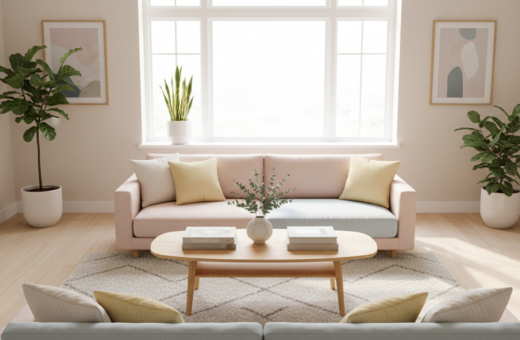
Pairing soft-toned furniture with neutral walls reduces visual clutter and helps the living room look larger. A well-placed sofa and low-profile storage keep sightlines open.
Designers use pale accents to follow the lines of the wall and floor. This alignment makes the whole space appear continuous rather than broken into tiny zones.
Reflecting Natural Light
White walls in a dining room or living area bounce daylight deeper into the home. That reflection brightens corners and makes small apartment interiors feel airy.
Adding framed art on a feature wall injects personality without overpowering the room. Thoughtful art turns a compact space into something that looks like a curated gallery.
- The living room serves as the primary stage for luxury; a simple sofa and pale finishes add immediate grandeur.
- Neutral walls and pale surfaces help the dining room read as a grand, cohesive area.
- Professional interior designers recommend these ideas to keep small spaces functional and visually stunning.
“Well-chosen pale tones let architecture, art, and furniture speak with equal presence.”
Selecting the Right Tones for an Airy Aesthetic
Subtle surface choices can make a small interior feel open and intentional. Choosing pale finishes is a practical way to keep the space calm while adding visual value.
Select light oak tones for major pieces so the room stays bright and inviting. A pale finish prevents the heavy look that darker options can create.
The pine wood stool Denia and the low solid wood stool Mola are clear examples of natural finishes that support an airy look. They work as functional seating or as a small table beside a sofa.
- Paint walls in soft neutrals to make pale pieces stand out without competing.
- Let every element add to overall light; choose finishes that reflect rather than absorb.
- Balance oak tones with pale textiles to keep the area feeling open.
- Use compact pieces to maintain flow and preserve usable floor space.
“When every element contributes to brightness, even the tiniest rooms feel expansive.”
Maximizing Floor Space with Strategic Furniture Choices
Thoughtful layouts and multifunctional pieces unlock usable floor area in tight rooms. A clear plan ensures every item earns its place and improves overall flow.
Choosing Multifunctional Pieces
Choose furniture that stores as it sits. The solid bookcase Castell from Naan Furniture offers generous storage without crowding the floor. A sofa with hidden compartments or a sideboard that doubles as a media console increases functionality.
Avoiding Clutter
Keep surfaces tidy to make the living room feel larger. Select cabinets and storage with closed faces to hide everyday items.
Clear sightlines matter. Placing tall storage against a wall and leaving central floor space open creates a relaxed use of the room.
Selecting Slim Profiles
Pick pieces with narrow silhouettes to preserve walking paths. The Trebalúger armchair is slim but supportive and works well in a dining room corner.
- Use a sideboard for concealed storage in the dining room and living area.
- Prioritize multifunctional chairs and a compact sofa to maintain flow.
- Place storage pieces so they free, not block, floor use.
“Every piece should earn its place by combining style with functionality.”
Utilizing Vertical Storage Solutions
Orienting furniture and shelving along the wall instantly opens sightlines and makes a room feel taller. Tall, narrow units move function up and keep the central floor clear.
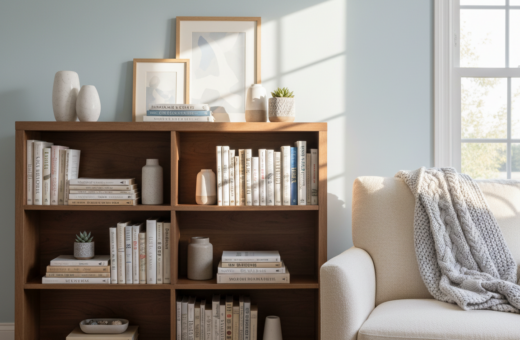
The solid wood bookcase 2×4 Montgó is an excellent example of a vertical storage solution for a small apartment. It stores books and objects without taking valuable floor space.
Mounting shelving on the side of a room makes use of unused wall height. This approach stores essentials while preserving walking areas and a clean, modern style.
- Install tall shelving units to use vertical wall space effectively.
- Choose storage that complements your existing style so function and form work together.
- Let vertical structures draw the eye upward to make rooms read as taller and more open.
For more practical vertical solutions, see these vertical space ideas.
“Every vertical piece should earn its place by freeing floor area and enhancing the room’s proportions.”
Enhancing Natural Light Through Textile Selection
A well-chosen fabric palette can transform how natural light plays across a small room. Textiles act as filters and reflectors that change a space’s mood and perceived size.
Selecting Lightweight Fabrics
Choose sheer, breathable curtains for your windows. Sheer fabrics soften incoming light while keeping privacy against the wall. This helps daylight reach deeper into the room.
Keep the area around windows clear. Avoid heavy furniture close to openings so light can travel to the back of the room. That small change makes a compact living area feel more open.
- Pick pale fabrics to boost the wall’s reflective quality.
- Balance natural daylight with simple artificial lighting for evening use.
- Use curtains that slide easily so openings remain unobstructed.
“Textiles determine how daylight and color interact; the right choices enlarge perception as much as any furniture move.”
The Role of Artificial Lighting in Warmth
Careful placement of lamps gives a modest room a sense of depth and evening comfort.
A well-placed table lamp in the living room adds a gentle glow that makes the entire apartment feel welcoming after dark. Placing a lamp on a side table near the windows creates a soft pool of warmth that draws attention to your favorite furniture pieces.
Combine a floor lamp with wall fixtures to layer illumination. This mix helps define zones in a single room and supports multifunctional living in small apartment plans.
- Table lamps create task-friendly spots for reading or relaxing.
- Wall lights free floor space and lift a room’s vertical line.
- Floor lamps add ambient spread and highlight textures.
The design of your lighting should showcase natural finishes, not hide them. Thoughtful fixtures make a compact interior feel both cozy and refined.
“Layered lighting changes how a living room behaves after sunset, making every zone feel intentional.”
Balancing Large Furniture Pieces in Compact Rooms
Placing one bold piece of furniture often gives small rooms a refined, curated look instead of a cluttered feel.
A single, well-proportioned sofa can anchor the living room and set a clear focal point. This approach prevents the eye from bouncing between many small items and makes the room feel intentional.
To balance scale, map traffic flow before you buy. Leave a clear path so the room stays easy to navigate and use.
When a large piece fits the scale of the space, it creates comfort and a sense of luxury without overwhelming the floor plan. One dominant piece gives permission for simpler surrounding elements.
- Choose a sofa that matches the room’s proportions.
- Limit extra pieces so sightlines remain open.
- Use one statement piece to make the living room feel cohesive.
“A single, well-chosen piece can make a small living room feel both intentional and inviting.”
Incorporating Natural Textures and Greenery
Simple woven accents and a few well-placed plants turn small spaces into layered, inviting interiors.
Adding Wicker and Cane Accents
Wicker and cane bring tactile warmth to a living room without adding bulk. A cane chair or a woven side table pairs well with pale oak furniture and soft wall tones.
Use wicker on storage cabinets, a small table, or a low bench to create a cohesive look. These pieces add texture while keeping the floor open for movement.
Integrating Indoor Plants
Greenery adds life and scale. Place a few potted plants on a console or a floating shelf to soften corners and draw the eye upward.
A compact living room benefits from a single larger plant plus small groupings on a table. This approach enhances interior design and gives the room natural contrast with art and cabinets.
- Choose plants that thrive in your wall and window exposure.
- Use woven baskets for planters to echo other textures.
- Keep plant placement intentional so storage and traffic stay clear.
“Every plant and textured piece should enhance the airy feel and add depth to the space.”
Creating Cohesion with Neutral Color Palettes
A unified neutral palette pulls separate zones into a single, elegant picture.
A neutral scheme in the living room helps furniture read as intentional. It gives each piece room to show its character without competing for attention.
Use consistent tones across dining and living areas to keep flow between rooms. When colors match, the overall design feels considered and professional.
Neutral walls act as a simple canvas. They allow natural light to bounce and highlight wood furniture and texture. The result is a calm, cohesive setting that looks planned.
- Keep finishes similar so sightlines remain uninterrupted.
- Limit accent colors so the space stays timeless.
- Choose pale textiles to enhance brightness and scale.
“Cohesion is the secret to making a small space feel like a well-designed home.”
Sticking to a neutral palette makes the living room feel spacious and sophisticated. It creates a lasting look that holds up over time.
Maintaining Order for a Serene Environment
When every item has a home, the room gains a quiet, composed presence.
Smart storage cabinets are essential in a small apartment. They hide clutter and make the living room feel calm and intentional.
Wall-mounted art and clean curtains keep walls uncluttered and improve the overall look. Simple textiles and a few chosen pieces let the interior design shine without fighting for attention.
A well-organized living room frees sightlines. The sofa and side chair each need a designated place so traffic and use stay effortless.
- Keep windows clear to let natural light support the mood.
- Set consistent lighting to define zones and add warmth.
- Use shallow cabinets and vertical storage to save floor space.
“Well-chosen order defines a room.”
These ideas help rooms feel larger, functional, and peaceful—exactly what small apartments need to feel lived-in and refined.
Conclusion
A compact home gains a calm, curated presence when each element is chosen with care. Using soft tones and a consistent neutral style helps small spaces read as intentional rather than crowded. This approach makes rooms feel both elegant and liveable.
Choose functional pieces and natural elements that add real warmth. A few pale oak finishes anchor the look while preserving scale. For practical tips on incorporating natural accents, see incorporating wood into your living room as a useful way to blend beauty with daily functionality.